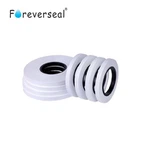
Amid the dynamic landscape of industrial materials, precision engineering, and elevated performance standards, the discourse surrounding High-Temperature PTFE (Polytetrafluoroethylene) Tape has surged to prominence, illuminating the intricate confluence of advanced material science, thermal resistance, and versatile functionality that is revolutionizing the spectrum of industrial sealing and insulation applications. Rooted within the realms of polymer chemistry, thermal engineering, and high-performance materials, High-Temperature PTFE Tape emerges as an embodiment of thermal stability, chemical resistance, and enduring performance, underscoring its pivotal role in addressing the rigorous demands of extreme temperature environments.
At the heart of this discourse lies the transformative prowess of High-Temperature PTFE Tape, which harnesses the remarkable thermal and chemical attributes of PTFE, a synthetic fluoropolymer renowned for its exceptional non-stick properties and resistance to extreme temperatures and corrosive substances. Through meticulous processing techniques, such as compression molding or skiving, High-Temperature PTFE Tape is manufactured to exhibit remarkable dimensional stability, negligible thermal expansion, and a dielectric strength that remains unparalleled even in the face of temperatures exceeding 500 degrees Fahrenheit. This unique combination of material attributes renders High-Temperature PTFE Tape an indispensable solution for sealing, gasketing, and insulating applications within industries such as chemical processing, aerospace, electronics, and manufacturing.
Furthermore, the profound significance of High-Temperature PTFE Tape extends beyond its thermal attributes to encompass its role in maintaining the integrity of critical components, enhancing energy efficiency, and minimizing downtime in high-temperature industrial operations. Its exceptional resistance to thermal degradation, chemical attack, and creep ensures reliable sealing performance, preventing leakage and maintaining process efficiency in challenging environments. This resilience aligns with the industry's pursuit of minimizing operational risks and achieving consistent performance standards, particularly in applications such as flange gaskets, heat exchangers, and industrial ovens.
The multifaceted discourse surrounding High-Temperature PTFE Tape permeates a diverse spectrum of industrial sectors, ranging from chemical processing to power generation, automotive manufacturing to semiconductor fabrication. In chemical processing, the tape's resistance to aggressive chemicals and extreme temperatures ensures the sealing of pipes, valves, and vessels, while its insulating properties make it an ideal choice for electrical applications in electronics and aerospace industries. Additionally, its dimensional stability and reliability contribute to thermal management solutions in automotive engines and power generation equipment.
Moreover, the evolving trajectory of High-Temperature PTFE Tape integrates cutting-edge technological advancements and innovative design considerations. The incorporation of specialized fillers and additives further expands its performance envelope, enhancing properties such as wear resistance, thermal conductivity, and electrical conductivity. This convergence of advanced materials and engineered solutions underscores the industry's dedication to pushing the boundaries of functional excellence and addressing the evolving challenges posed by extreme temperatures and aggressive environments.
In conclusion, the narrative woven by High-Temperature PTFE Tape within the industrial materials landscape epitomizes thermal resilience, chemical compatibility, and precision engineering. As this exceptional material navigates the domains of sealing solutions, insulation applications, and thermal management, it stands as a transformative component that redefines the benchmarks of industrial excellence and reliability in the face of extreme conditions. In an era where performance meets durability, High-Temperature PTFE Tape emerges as a cornerstone of modern industrial narratives, poised to reshape the contours of sealing technologies and elevate industrial solutions through the lens of thermal stability and technical finesse.