Latest Products


Contact Us
- No.278, Qingxian Road, Linglong Street, Linan, Hangzhou, Zhejiang, China.
- fiona@foreverseal.com
- +8613396551886


Applying Teflon Tape
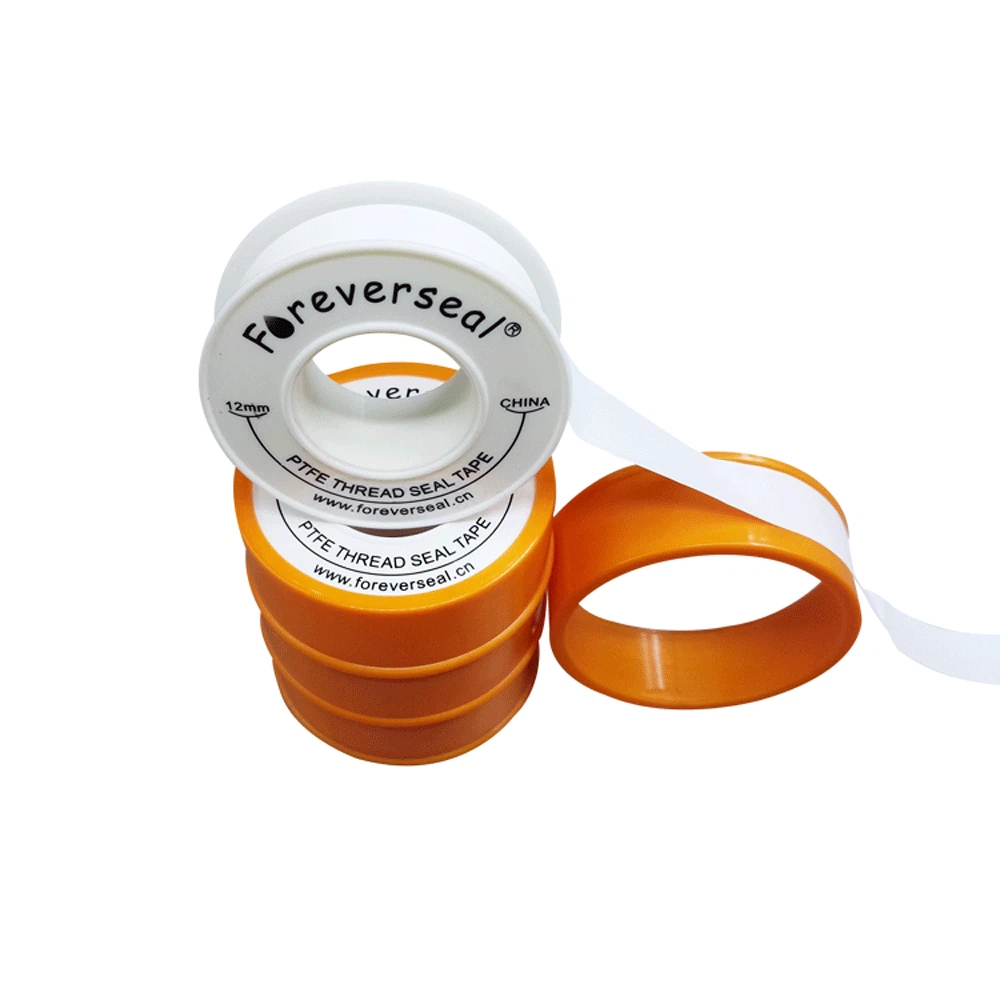
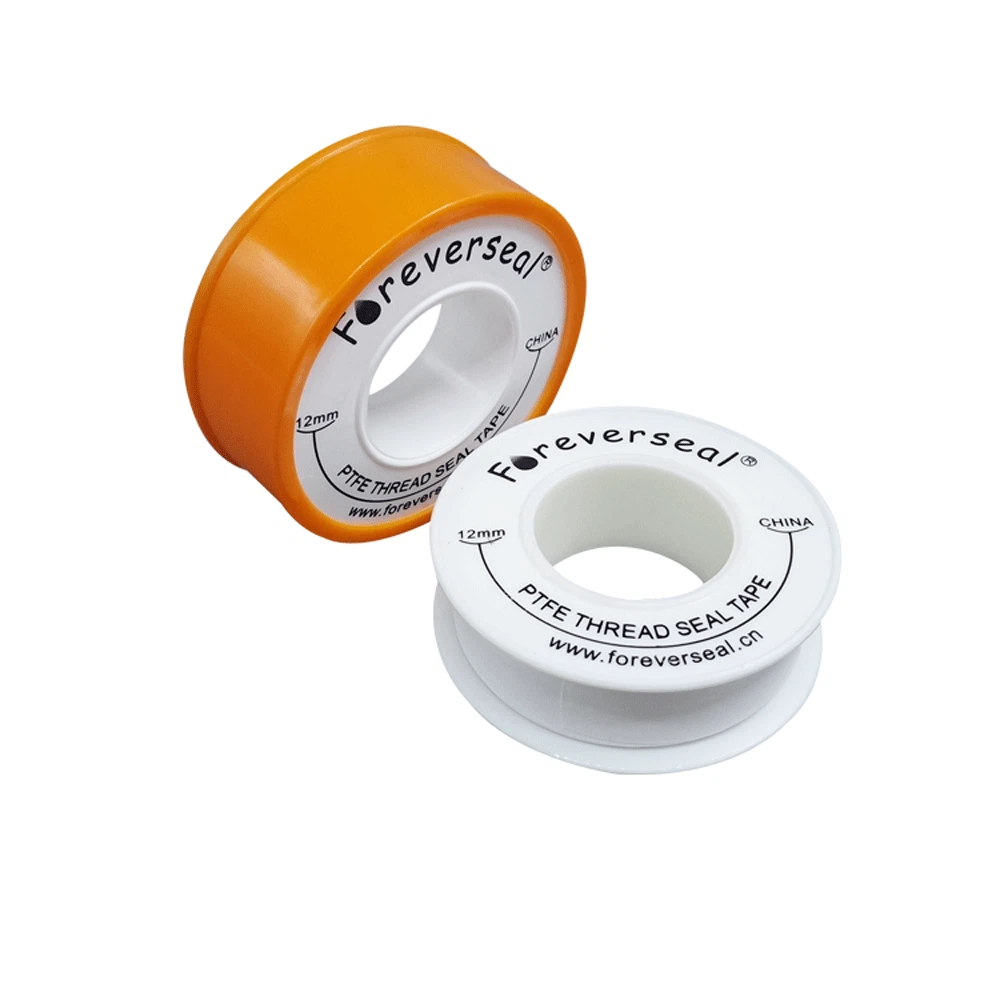
Size: 12mmx0.08mmx12mx0.75g/cm3
Spool OD/ID: 56mm OD, 25mm ID
Spool/Cover color: White/Orange
Tape color: White
MOQ: 20000 pcs
Description
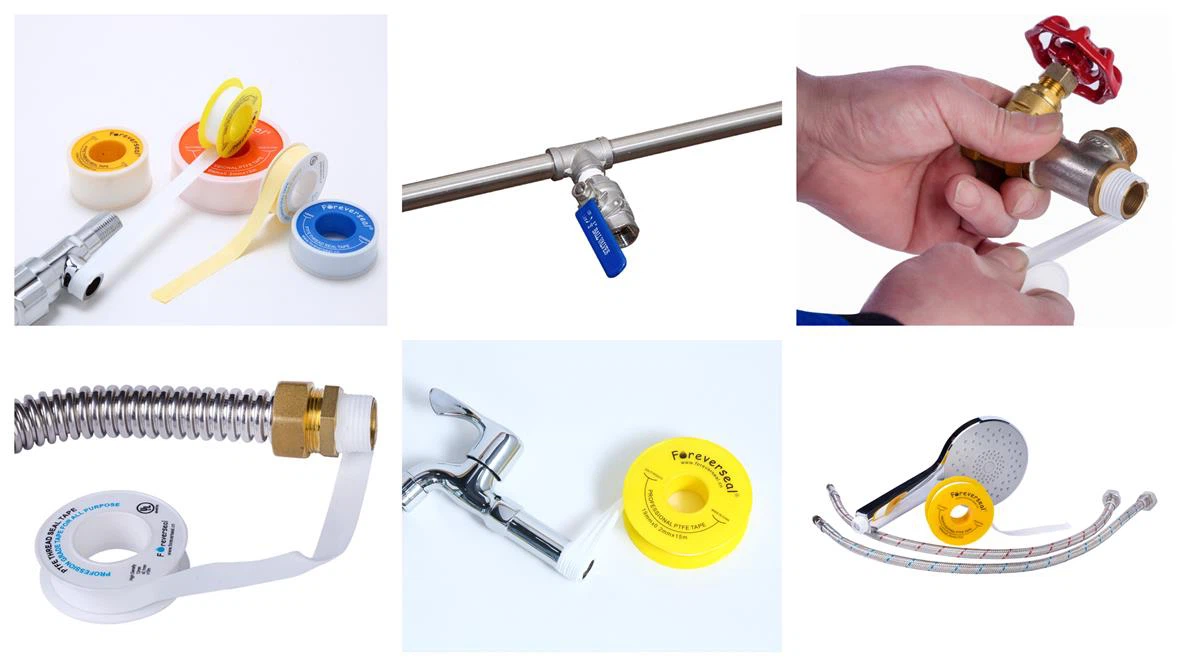
Applying Teflon Tape is a simple yet essential skill for anyone who works with plumbing or piping systems.
To apply Teflon tape correctly, start by ensuring that the threads on the pipe and fitting are clean and free of any debris. This will help the tape adhere properly and create a watertight seal. Next, tear off a length of tape that is slightly longer than the threads you will be working with.
Hold the end of the tape against the first thread on the fitting and wrap it around the threads in a clockwise direction. Be sure to overlap the tape slightly as you go to ensure complete coverage. You should wrap the tape around the threads 3-4 times to create a secure seal.
Once you have wrapped the threads with Teflon tape, use your fingers to press the tape firmly into place. This will help to ensure that the tape adheres properly and forms a tight seal. You can then trim any excess tape with a sharp knife or scissors.
After applying the Teflon tape, screw the fitting onto the pipe as usual. The tape will compress as you tighten the fitting, helping to create a secure seal that prevents leaks. Be careful not to over-tighten the fitting, as this can damage the threads and cause leaks.
In addition to creating a watertight seal, Teflon tape can also help to lubricate the threads, making it easier to tighten and loosen fittings in the future. This can be especially useful in areas where fittings may need to be removed and replaced regularly.
Overall, applying Teflon tape is a quick and easy way to ensure that your plumbing and piping systems are leak-free and functioning properly. By following these simple steps, you can master the art of using Teflon tape and tackle your next plumbing project with confidence.
What is PTFE?
PTFE, or polytetrafluoroethylene, is a synthetic fluoropolymer that is used in various industries for its unique properties. It is commonly known by the brand name Teflon, which is used in cookware to provide a non-stick surface. However, PTFE has a wide range of applications beyond the kitchen.
PTFE is known for its exceptional chemical resistance, high temperature stability, and low friction properties. These characteristics make it suitable for use in environments where other materials may fail. For example, It is often used in industrial applications such as gaskets, seals, and linings due to its ability to withstand harsh chemicals and extreme temperatures.
In the automotive industry, It is used in seals and hoses because of its resistance to gasoline and other automotive fluids. It is also used in bearings and bushings in machinery and equipment to reduce friction and wear.
PTFE is also used in electronics for its insulating properties and resistance to heat and chemicals. It can be found in wire and cable coatings, circuit boards, and connectors.
One of the most well-known applications is in the aerospace industry. It is used in aircraft components such as fuel lines, hydraulic systems, and seals because of its lightweight, high strength, and ability to withstand extreme temperatures.
Despite its many advantages, PTFE does have some limitations. It is not as strong as some other materials, so it may not be suitable for high load-bearing applications. It also has a relatively low abrasion resistance, so it may wear out more quickly in abrasive environments.
Overall, PTFE is a versatile material with a wide range of applications across various industries. Its unique combination of properties makes it an ideal choice for many challenging operating conditions. As technology continues to advance, we can expect to see even more innovative uses in the future.
Certificate information:
ROHS stands for Restriction of Hazardous Substances. It is a directive that originated in the European Union to restrict the use of certain hazardous materials in the production of electrical and electronic products. These hazardous substances include lead, mercury, cadmium, hexavalent chromium, polybrominated biphenyls, and polybrominated diphenyl ethers.
In order to comply with the ROHS directive, manufacturers must obtain a ROHS certificate for their products, which serves as proof that the products meet the required standards. This certificate is typically issued by an accredited certification body after conducting tests and inspections to ensure that the products do not contain any restricted substances above the permitted levels. Our products get ROHS approval, so you don't worry the safety of our product.
- Specifications
|
Width |
12mm (1/2") |
|
Thickness |
0.08mm |
|
Length |
12m |
|
Density |
0.75g/cm3 |
|
Tape color |
White |
|
Spool |
56mm OD, 25mm ID |
|
Packing |
customised packing |
|
MOQ |
20000 pcs |
|
Delivery time |
30-40 days after getting your prepayment |
- Technical Data:
|
Composition |
100% virgin PTFE |
|
Pressure Rating |
up to 3,000PSI |
|
Temp.Range |
-190C to +260C |
|
Tensile Strength |
8 N/mm2 |
|
Elongation |
Min 25% |
|
Storage |
Unlimited shelf life(less than 70F )/50% relative humidity out of direct sunlight |
|
Flammability |
Non-flammable |

Certifications

ISO9001

UL

WRAS

DVGW

ROHS

ACS
Production Center

- Our Products VS Others

- Product Application
- Packing ways

Directions For Use

-
FAQS:
Customer: Do you attend trade shows?
Foreverseal: Yes, we attend Canton fair every year.
Customer: What's the recommend size for gas pipe sealing?
Foreverseal: We normally suggest you take 12mm*0.1mm*10m*1.0g/cm3.
Customer: When did your company establish?
Foreverseal: In 2009.
You Might Also Like