


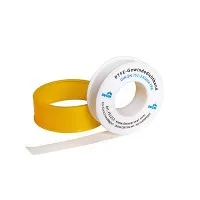
Porous PTFE (Polytetrafluoroethylene) film is a remarkable material with a wide range of applications, from filtration to electronic insulation. One of the key properties that make it so valuable is its temperature resistance. As a supplier of Porous PTFE Film, I'm often asked about its temperature resistance capabilities. In this blog post, I'll delve into the details of what makes Porous PTFE Film so resistant to temperature changes and how it can benefit various industries.
Understanding PTFE and Its Properties
PTFE is a synthetic fluoropolymer of tetrafluoroethylene that has numerous desirable properties. It is known for its non - stick surface, chemical resistance, and low friction coefficient. The porous version of PTFE film takes these properties a step further by adding porosity, which allows for applications such as gas diffusion, moisture management, and particle filtration.


The molecular structure of PTFE is what gives it its excellent temperature resistance. The carbon - fluorine bonds in PTFE are extremely strong, with a bond energy of about 485 kJ/mol. These strong bonds make it difficult for heat to break them, allowing PTFE to maintain its structural integrity over a wide temperature range.
Temperature Resistance Range of Porous PTFE Film
Porous PTFE film typically has an operating temperature range that can span from - 200°C to + 260°C. At extremely low temperatures, down to - 200°C, the film remains flexible and does not become brittle. This is crucial for applications in cryogenic environments, such as in space exploration or medical cryopreservation.
On the high - temperature end, up to 260°C, the film can withstand continuous exposure without significant degradation. This high - temperature resistance makes it suitable for use in industrial processes where high heat is involved, such as in the manufacturing of electronic components or in high - temperature filtration systems.
Factors Affecting Temperature Resistance
While the inherent molecular structure of PTFE provides a good base for temperature resistance, several factors can affect the performance of porous PTFE film at different temperatures.
- Porosity Level: The porosity of the film can influence its temperature resistance. Higher porosity levels may allow for better heat transfer, but they can also potentially reduce the mechanical strength of the film at high temperatures. A balance needs to be struck between porosity and temperature performance depending on the specific application.
- Additives and Fillers: Some porous PTFE films may contain additives or fillers to enhance certain properties. These additives can have an impact on temperature resistance. For example, adding glass fibers can improve the mechanical strength at high temperatures but may also change the thermal expansion characteristics of the film.
- Thickness: The thickness of the porous PTFE film can also play a role in its temperature resistance. Thicker films may provide better insulation and protection against temperature extremes, but they may also have slower heat transfer rates.
Applications Based on Temperature Resistance
The temperature resistance of porous PTFE film makes it suitable for a variety of applications across different industries.
- Electronics: In the electronics industry, porous PTFE film is used for insulation and protection of electronic components. It can withstand the high temperatures generated during the operation of electronic devices, such as computers and smartphones. For example, Film PTFE can be used as a dielectric layer in printed circuit boards, providing both electrical insulation and temperature resistance.
- Aerospace and Aviation: In aerospace and aviation applications, porous PTFE film is used in various components that are exposed to extreme temperature conditions. It can be used in fuel systems, where it needs to withstand high temperatures due to the heat generated by the engines. Low Density Extruded PTFE is often used in these applications due to its lightweight and temperature - resistant properties.
- Filtration: Porous PTFE film is widely used in filtration applications, especially in high - temperature environments. It can be used to filter hot gases or liquids in industrial processes. For example, in chemical plants, the film can be used to filter corrosive and high - temperature chemicals. EPTFE TAPE For Wire And Cable Application can also be used in high - temperature filtration systems for wire and cable protection.
Testing and Quality Assurance
To ensure the temperature resistance of our porous PTFE film, we conduct rigorous testing. We use thermal analysis techniques such as differential scanning calorimetry (DSC) and thermogravimetric analysis (TGA) to measure the thermal properties of the film. DSC can determine the melting point, glass transition temperature, and heat capacity of the film, while TGA can measure the weight loss of the film as a function of temperature, indicating its thermal stability.
We also perform real - world testing in simulated high - and low - temperature environments. This allows us to evaluate the performance of the film under actual operating conditions and make any necessary adjustments to the manufacturing process to improve its temperature resistance.
Conclusion
The temperature resistance of porous PTFE film is one of its most important properties, enabling it to be used in a wide range of applications across different industries. With an operating temperature range from - 200°C to + 260°C, it can withstand extreme temperature conditions without significant degradation. Factors such as porosity level, additives, and thickness can affect its temperature performance, but through careful design and testing, we can ensure that our porous PTFE film meets the specific requirements of our customers.
If you are interested in learning more about our porous PTFE film or have specific requirements for your application, we invite you to contact us for a detailed discussion. Our team of experts is ready to assist you in finding the best solution for your needs.
References
- "Handbook of Fluoropolymer Science and Technology" by Harry L. Resnati and Giuseppe Tundo.
- "Polytetrafluoroethylene (PTFE): Properties, Processing, and Applications" by John A. Brydson.