


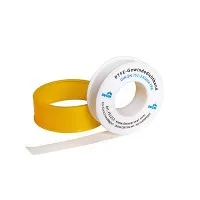

When it comes to films used in various industrial applications, friction is a critical factor that can significantly impact performance. As a PTFE (Polytetrafluoroethylene) film supplier, I'm often asked how PTFE film compares with other films in terms of friction. In this blog, I'll delve into the details of this comparison, exploring the unique properties of PTFE film and its advantages over alternative films in different scenarios.
Understanding Friction and Its Importance in Film Applications
Friction, in simple terms, is the force that resists the relative motion of two surfaces in contact. In film applications, friction can affect a multitude of factors, such as ease of movement, wear and tear, energy consumption, and even the quality of the final product. For instance, in a conveyor belt system, a film with high friction might cause excessive wear on the belt and increase the power required to move it, while a film with low friction can reduce these issues and improve overall efficiency.
The Low Friction Properties of PTFE Film
PTFE is well - known for its extremely low coefficient of friction. This is due to its unique molecular structure. PTFE consists of carbon atoms in a backbone chain, with fluorine atoms surrounding it. The fluorine atoms create a smooth, non - sticky surface because of their strong electronegativity and the relatively large size. This prevents other molecules from easily adhering to the PTFE surface, resulting in a low friction coefficient.
Typically, the coefficient of friction for PTFE film can range from 0.04 to 0.2, depending on the specific formulation and surface finish. This is significantly lower than many other common films. For example, polyethylene terephthalate (PET) film, which is widely used in packaging and electrical insulation, has a coefficient of friction in the range of 0.2 to 0.4. This difference means that PTFE film can offer much smoother movement and less resistance when in contact with other surfaces.
Comparison with Other Industrial Films
Polyethylene Films
Polyethylene films, such as low - density polyethylene (LDPE) and high - density polyethylene (HDPE), are commonly used in packaging, agricultural, and some industrial applications. They are relatively inexpensive and have good chemical resistance. However, their friction characteristics are not as favorable as PTFE film.
LDPE has a coefficient of friction that can be around 0.2 to 0.3, and HDPE is slightly lower, but still generally higher than PTFE. In applications where smooth sliding is required, like in the manufacturing of plastic bags on high - speed machinery, PTFE film would cause less drag and potentially reduce the risk of jams and equipment wear.


PVC Films
Polyvinyl chloride (PVC) films are used in a wide variety of applications, including construction, automotive interiors, and signage. PVC films can have a relatively high coefficient of friction, often in the range of 0.3 to 0.5. This high friction can be an advantage in some cases, such as when the film needs to grip a surface firmly. However, in applications where low friction and smooth movement are essential, such as in some medical device components, PTFE film is a better choice.
Silicone Films
Silicone films are known for their high temperature resistance and flexibility. They are commonly used in the electronics and food industries. The coefficient of friction of silicone films can vary depending on the formulation, but it is generally higher than that of PTFE film. In applications like release liners for adhesives, PTFE film can provide a more reliable and consistent release due to its lower friction, ensuring that the adhesive can be easily separated from the liner without leaving residue.
Advantages of Low Friction PTFE Film in Specific Applications
Aerospace
In the aerospace industry, PTFE film finds extensive use. For example, PTFE Film For Aerospace Cable requires low friction to ensure easy installation and to prevent damage during movement. The low friction of PTFE film also helps reduce wear on the cables over time, increasing their lifespan. Additionally, PTFE Insulation Film For Aerospace benefits from its low friction properties, as it can be easily wrapped around components and provides a smooth surface that resists abrasion.
Electrical and Electronics
In electrical applications, PTFE film's low friction is advantageous. High Dielectric Resistance Ptfe Film is often used as an insulating material. The low friction allows for easy handling during the manufacturing process, such as when it is being wound around electrical conductors. It also reduces the risk of damage to the film during assembly, ensuring consistent electrical performance.
Industrial Machinery
In industrial machinery, PTFE film can be used as a bearing surface or a guide. Its low friction reduces the energy required to move parts, leading to energy savings and less wear on the machinery. This can result in lower maintenance costs and longer equipment life.
Factors Affecting the Friction of PTFE Film
While PTFE film generally has a low coefficient of friction, several factors can influence this property. Surface roughness is one of the key factors. A smoother surface finish of the PTFE film will typically result in lower friction. The presence of contaminants on the film surface can also increase friction. For example, if the film is exposed to dust or oil, it can alter the surface characteristics and cause an increase in the coefficient of friction.
The temperature can also have an impact. At higher temperatures, the molecular mobility of PTFE increases slightly, which can lead to a small change in the friction coefficient. However, PTFE maintains its low - friction properties over a wide temperature range, from cryogenic temperatures to relatively high operating temperatures, which is another advantage over many other films.
Conclusion
In conclusion, PTFE film offers significant advantages over other films in terms of friction. Its extremely low coefficient of friction, combined with its other beneficial properties such as chemical resistance, high temperature resistance, and electrical insulation, make it a preferred choice in many industrial applications. Whether it's in aerospace, electrical, or industrial machinery, PTFE film's low friction can improve performance, reduce wear, and increase efficiency.
If you're in need of a film with excellent low - friction properties for your specific application, I encourage you to consider our PTFE film products. Our team of experts can provide you with detailed information and guidance to help you select the most suitable PTFE film for your needs. We're ready to engage in discussions about your procurement requirements and look forward to the opportunity to work with you.
References
- "Modern Plastics Encyclopedia", McGraw - Hill
- "Handbook of Polymer Science and Technology", Marcel Dekker
- Technical literature from PTFE manufacturers