


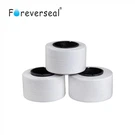


Hey there! As a supplier of Clear PTFE Film, I often get asked a bunch of questions about our products. One question that pops up quite frequently is, "Is clear PTFE film flammable?" Well, let's dig into this topic and find out the real deal.
First off, let's talk a bit about what PTFE is. PTFE stands for polytetrafluoroethylene. It's a synthetic fluoropolymer of tetrafluoroethylene and has some pretty amazing properties. You might know it by the brand name Teflon, which is a well - known trademarked form of PTFE.
PTFE is well - loved in various industries because of its non - sticking surface, high chemical resistance, and excellent electrical insulation properties. Our Clear PTFE Film inherits these great traits, making it a top - pick for many applications like electrical insulation, food processing, and even in the medical field.
Now, back to the burning question (pun intended) - is it flammable? The short answer is no, clear PTFE film is not flammable in normal conditions. PTFE has an extremely high melting point, around 327°C (621°F). And it has a very low flammability rating. It doesn't easily catch fire from normal sources of ignition like a match or a small flame. In the presence of an open flame, it won't support combustion and will stop burning once the flame source is removed.
But, hold your horses! There are some extreme conditions where things can change. In an environment with a high concentration of oxygen or in the presence of very high - energy ignition sources, PTFE can decompose and release some pretty toxic fumes. When PTFE is heated to extremely high temperatures (way beyond its normal operating range), it starts to break down and form hydrofluoric acid and other harmful by - products. This is a big no - no and is why you should always use PTFE products within their recommended temperature limits.
Let's take a look at some of the applications where our Clear PTFE Film shines and how its non - flammable nature comes in handy.
In the electrical industry, electrical insulation is super important. Our Clear PTFE Film makes for an excellent insulating material. Since it's not flammable, it reduces the risk of electrical fires. You can find it in cables, transformers, and other electrical components. For those of you interested in our cable - related products, we have the White PTFE Cable Tape, which also shares many of the great properties of our Clear PTFE Film.
In the food processing industry, hygiene and safety are top priorities. Our Clear PTFE Film is non - flammable, which means it can be used in equipment like conveyor belts and baking trays without the worry of fire hazards. It also has that non - sticking property, so food doesn't get stuck, making it easier to clean.
The medical field also benefits from our product. In medical devices, where reliability and safety are crucial, the non - flammable nature of Clear PTFE Film is a must. It can be used in various medical equipment to ensure that there are no fire risks during operation.
But it's not just our Clear PTFE Film that's great. We also have other PTFE - based products. For example, the Ptfe Transparent Film offers similar properties and is also non - flammable. The White Sintered Full Density PTFE Insulation Tape is another great option for those looking for high - quality insulation with excellent fire - resistant characteristics.

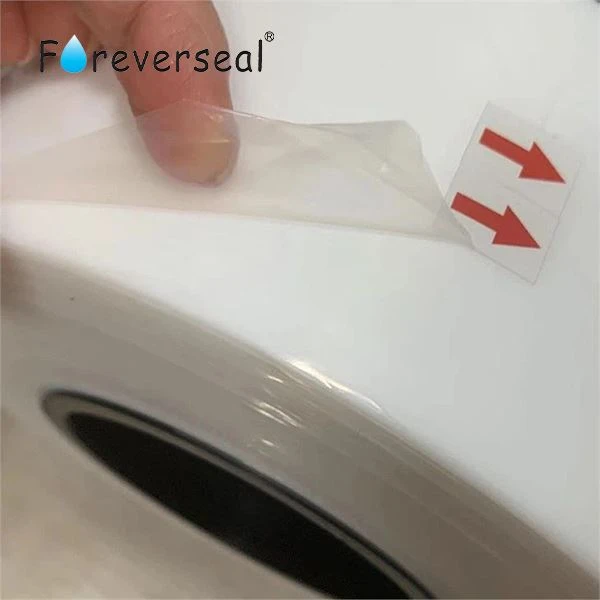
If you're in need of more robust PTFE materials, our Full Density Ptfe Skived Film and Ptfe Skived Film are worth considering. These films are made with precision and offer great performance in a wide range of applications.
So, if you're in an industry where fire safety is a concern and you're looking for a reliable material, our Clear PTFE Film and other related products are definitely worth checking out. Whether you're in electrical, food processing, or medical, we've got you covered.
If you're interested in learning more about our products or want to start a purchase discussion, don't hesitate to reach out. We're always here to answer your questions and help you find the best PTFE solution for your needs.
References
- "Handbook of Fluoropolymer Science and Technology" by Harry Allcock, Frederick Lampe, and John Mark.
- Various industry reports on PTFE materials and their properties.