




In the realm of industrial materials, chemical resistance is a critical property for various applications. As a seasoned supplier of PTFE Film Tape, I am often asked the question: "Is PTFE Film Tape chemical-resistant?" Today, I'll delve into this topic to provide a comprehensive understanding of the chemical resistance capabilities of PTFE Film Tape.
Understanding PTFE Film Tape
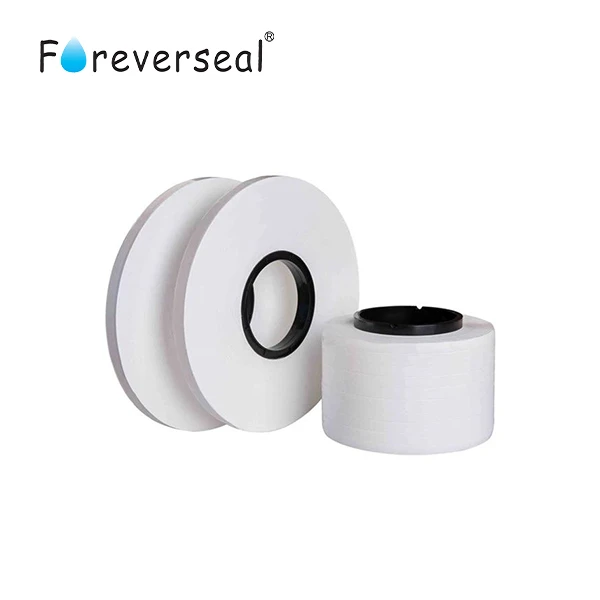
PTFE, or Polytetrafluoroethylene, is a synthetic fluoropolymer of tetrafluoroethylene. It is well - known for its non - stick properties, high melting point, and excellent electrical insulation. PTFE Film Tape, made from this remarkable material, finds widespread use in industries such as electronics, aerospace, and automotive.
One of the key attractions of PTFE Film Tape is its versatility. It can be used for insulation purposes, as a barrier in high - temperature environments, or even in applications where a non - stick surface is required. For instance, our Ptfe Insulation Tape is specifically designed to offer reliable insulation in various electrical systems.
The Chemical Resistance Mechanism of PTFE
The chemical resistance of PTFE Film Tape stems from its unique molecular structure. The carbon - fluorine bonds in PTFE are extremely strong. Fluorine atoms form a protective sheath around the carbon chain, shielding it from chemical attacks. This makes PTFE highly resistant to a wide range of chemicals, including acids, bases, solvents, and oxidizing agents.

Resistance to Acids
PTFE Film Tape can withstand exposure to many strong acids. Hydrochloric acid, sulfuric acid, and nitric acid, which are commonly used in industrial processes, have minimal effect on PTFE. Even at high concentrations and elevated temperatures, PTFE remains stable. This property makes it an ideal choice for applications in chemical plants where acid - resistant materials are essential.
Resistance to Bases
Similar to its performance against acids, PTFE Film Tape shows excellent resistance to bases. Sodium hydroxide, potassium hydroxide, and other strong alkaline solutions do not react with PTFE. This allows it to be used in environments where alkaline substances are present, such as in the manufacturing of certain types of batteries.
Resistance to Solvents
PTFE is also highly resistant to organic solvents. Whether it's acetone, toluene, or chloroform, PTFE Film Tape does not swell, dissolve, or degrade when exposed to these solvents. This characteristic is crucial in industries like the pharmaceutical and chemical industries, where solvents are used extensively for cleaning, extraction, and reaction processes.
Applications Leveraging Chemical Resistance
Aerospace Industry
In the aerospace sector, PTFE Film Tape's chemical resistance is put to good use. Our PTFE Film For Aerospace Cable is used as insulation for cables. These cables are often exposed to various chemicals, including hydraulic fluids, lubricants, and de - icing agents. The chemical resistance of PTFE ensures that the cables' insulation remains intact, preventing electrical failures and maintaining the safety and reliability of the aircraft's electrical systems.
Electronics Industry
The electronics industry also relies heavily on the chemical resistance of PTFE Film Tape. In printed circuit boards (PCBs), PTFE Film Tape can be used as a protective layer. It resists the chemicals used in the PCB manufacturing process, such as etchants and cleaning agents. This helps to improve the quality and longevity of the PCBs. Additionally, in high - end consumer electronics, PTFE Film Tape is used to insulate components, protecting them from chemical contaminants in the environment.
Chemical Processing Industry
In chemical processing plants, Porous PTFE Film is used in filtration systems. The chemical resistance of PTFE ensures that the filter can withstand the harsh chemicals being filtered. It also prevents the filter from degrading over time, reducing the frequency of filter replacements and improving the overall efficiency of the process.
Limitations of Chemical Resistance
While PTFE Film Tape has excellent chemical resistance, it is not completely immune to all chemicals. At extremely high temperatures and in the presence of some highly reactive chemicals, such as molten alkali metals and fluorine gas, PTFE can react. However, these scenarios are rare in most industrial applications.
Testing Chemical Resistance
To ensure the quality and chemical resistance of our PTFE Film Tape, we conduct rigorous testing. We expose samples of the tape to various chemicals under controlled conditions, including different concentrations, temperatures, and exposure times. After the exposure, we measure changes in the tape's physical properties, such as weight, thickness, and mechanical strength.
In addition, we also rely on international standards and industry - recognized testing methods to validate the chemical resistance of our products. This helps us to provide accurate information to our customers about the performance of our PTFE Film Tape in different chemical environments.
Our Product Range and Chemical Resistance
We offer a wide range of PTFE Film Tape products, each tailored to specific applications. Our High Temperature SHIELD PTFE Insulated Wire And Cable is designed to withstand both high temperatures and chemical exposure. The PTFE insulation not only provides excellent electrical insulation but also protects the wire from chemical corrosion.
Our Ptfe Film For Cable Factory is another product that showcases the chemical resistance of PTFE. It can be used in the manufacturing of cables, providing an extra layer of protection against chemicals during the cable production process and in the cable's subsequent use.
Conclusion and Call to Action
In conclusion, PTFE Film Tape is highly chemical - resistant due to the unique properties of PTFE. Its ability to withstand a wide range of acids, bases, and solvents makes it an invaluable material in many industries. Whether you are in the aerospace, electronics, or chemical processing industry, our PTFE Film Tape products can meet your needs.
If you are interested in learning more about our PTFE Film Tape or are considering making a purchase, we encourage you to get in touch with us. We are ready to provide you with detailed product information, technical support, and to discuss your specific requirements. Our team of experts can help you choose the most suitable PTFE Film Tape products for your applications.
References
- "Encyclopedia of Polymer Science and Technology", John Wiley & Sons
- "Handbook of Fluoropolymer Science and Technology", William Andrew Publishing
- Industry standards for chemical resistance testing of polymers