



Can PTFE Tape be Reused?
PTFE tape, also known as Teflon tape, is a popular plumbing and sealing material, widely used in various industries for its excellent chemical resistance, low friction coefficient, and high thermal stability. As a PTFE tape supplier, I often receive questions from customers about whether PTFE tape can be reused. In this blog post, I'll explore the practicality and limitations of reusing PTFE tape based on its properties, usage scenarios, and potential risks.
Understanding PTFE Tape
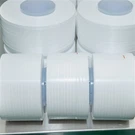
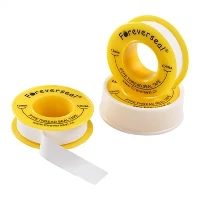
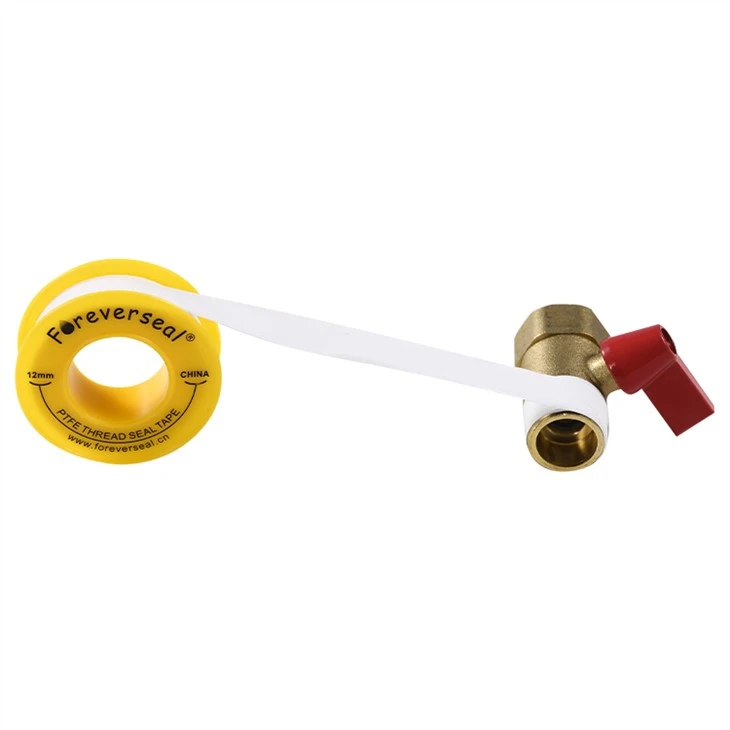
PTFE tape is made from polytetrafluoroethylene, a synthetic fluoropolymer. It is typically used to seal pipe threads in plumbing and gas systems to prevent leaks. The tape is easy to use, as it can be wrapped around the threaded end of a pipe before connection. Once tightened, the tape fills the gaps between threads, creating a tight seal.
There are different types of PTFE tapes available in the market, each designed for specific applications. For example, PTFE Tape For Water is often white and used for water plumbing systems, while Gas Line Thread Tape are used for gas line connections due to their higher density and increased durability to withstand gas pressures. There's also Thread Cord and Tape To Seal Water Leaks, which serve different purposes in the sealing process.
Factors Affecting Reusability
Several factors determine whether PTFE tape can be reused effectively.
Physical Damage
During installation and removal, PTFE tape can easily get torn, stretched, or frayed. Once the tape is physically damaged, its ability to form a proper seal is compromised. For example, if the tape is torn during removal from a pipe thread, the damaged section will not be able to fill the gaps between threads as effectively, leading to potential leaks. In most cases, visibly damaged PTFE tape should not be reused.
Contamination
PTFE tape can become contaminated with dirt, debris, grease, or chemicals during use. Contamination can reduce the tape's adhesion and sealing properties. For instance, in a plumbing system where the tape has been exposed to water and sediment, the contaminants can prevent the tape from adhering properly when reused. Even a small amount of grease can make the tape slippery and less effective in creating a tight seal. Therefore, contaminated tape is generally not suitable for reuse.
Compression Set
When PTFE tape is used to seal pipe threads, it gets compressed. Over time, the tape may develop a compression set, which means it retains some of the compressed shape. If reused, the compressed tape may not be able to conform to the new thread surfaces as well as fresh tape, resulting in an imperfect seal. This is especially true for applications where high pressure is involved, such as in gas lines.
Chemical Exposure
In some industrial applications, PTFE tape may be exposed to harsh chemicals. Although PTFE is known for its excellent chemical resistance, prolonged exposure to certain aggressive chemicals can cause the tape to degrade. For example, strong solvents may weaken the tape's structure, making it less reliable for reuse.
Scenarios Where Reuse Might Be Possible
Despite the challenges, there are some scenarios where reusing PTFE tape could be considered.
Short - Term and Low - Pressure Applications
In low - pressure plumbing systems, such as a simple DIY project for a small water line in a home, where the pressure is minimal and the risk of leaks is relatively low, reusing PTFE tape might work. If the tape was removed carefully without significant damage or contamination, it could potentially be used again. However, it's important to note that this is a riskier approach and should only be considered in non - critical applications.
Temporary Seals
For temporary sealing purposes, such as during a quick repair until the proper replacement parts are available, reusing PTFE tape can be a cost - effective solution. As long as the tape can provide a basic seal for the short period, it can serve its purpose. But for long - term and permanent sealing, fresh tape is always recommended.
Risks of Reusing PTFE Tape
Reusing PTFE tape comes with several risks that should not be overlooked.
Leakage
The most significant risk is the potential for leakage. As mentioned earlier, damaged, contaminated, or compressed tape may not be able to create a tight seal. In a plumbing system, a leak can lead to water damage, mold growth, and increased utility bills. In a gas line, a leak can be extremely dangerous, posing a fire and explosion hazard.
System Failure
In industrial settings, the failure of a PTFE tape seal can lead to system downtime and costly repairs. For example, in a chemical processing plant, a leak in a pipe sealed with reused PTFE tape can contaminate the entire system, disrupt production, and cause environmental damage.
Safety Hazards
In addition to the gas leak hazard mentioned above, reusing PTFE tape in applications where safety is critical, such as in medical equipment or aerospace systems, can have serious consequences. A faulty seal can compromise the performance of the equipment and endanger lives.
Best Practices for Using PTFE Tape
To ensure the best performance and avoid the need for reusing tape, here are some best practices for using PTFE tape:
- Choose the Right Tape: Select the appropriate type of PTFE tape for your specific application. For example, use Gas Line Thread Tape for gas connections and PTFE Tape For Water for water systems.
- Proper Installation: Wrap the tape in the correct direction (usually clockwise) around the pipe threads, ensuring that the tape covers the entire threaded area. Apply the right amount of tension to avoid over - stretching or under - wrapping the tape.
- Inspect Regularly: Periodically inspect the PTFE tape seals for signs of wear, damage, or leakage. Replace the tape if any issues are detected.
Conclusion
In conclusion, while it is technically possible to reuse PTFE tape in some limited scenarios, it is generally not recommended due to the potential risks of leakage, system failure, and safety hazards. As a PTFE tape supplier, I always advise my customers to use fresh tape for critical applications and permanent seals. Fresh PTFE tape ensures a reliable and long - lasting seal, which is essential for the proper functioning of plumbing, gas, and industrial systems.
If you have any questions about PTFE tape or need advice on choosing the right product for your application, feel free to contact us for further discussion and procurement. We are here to provide you with the best solutions and high - quality PTFE tape products.
References
- "Handbook of PTFE Technology" by John A. Brydson
- "Plumbing and Gas Fitting" textbooks from various vocational training institutions
- Industry standards and guidelines for PTFE tape usage in plumbing and industrial applications