

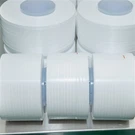
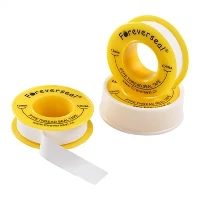
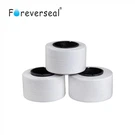


If you've ever worked with materials that need to stand up to extreme temperatures, harsh chemicals, or rigorous mechanical stress, chances are you've heard of PTFE (polytetrafluoroethylene) - the "Teflon" brand that's become a staple in industrial and manufacturing circles. But what many don't realize is that PTFE wrapping film, in its various formulated forms, is often the unsung hero of these applications. As a supplier who's been working with this material for over a decade, I've seen firsthand how it solves problems other plastics just can't touch. Today, I want to break down the key advantages of PTFE wrapping film, from its unique chemical resistance to its game-changing performance in insulation and breathable applications.
First, let's talk about chemical stability - and this is where PTFE truly shines. Unlike polyethylene or polypropylene, which can degrade when exposed to strong acids, bases, solvents, or even industrial cleaning agents, PTFE is inert to nearly all chemicals. I've had customers come to me after trying other wrapping films for industrial equipment that failed within months when exposed to chlorine or sulfuric acid, only to switch to PTFE wrapping film and see their asset life triple. The reason boils down to PTFE's molecular structure: those carbon-fluorine bonds are incredibly strong, with a bond energy that makes them resistant to breaking down even at high concentrations of corrosive substances. This isn't just theoretical - it's been proven in field tests where PTFE-wrapped pipes, valves, and machinery have operated reliably for decades in chemical processing plants.
Next, there's the temperature resistance, which is a big one for sectors like aerospace, automotive, and electrical manufacturing. PTFE wrapping film can handle extreme cold down to -200°C (-328°F) and extreme heat up to 260°C (500°F) without melting, softening, or becoming brittle. Compare that to PVC, which starts to break down at around 60°C, and you can see why PTFE is the go-to for applications where temperatures fluctuate wildly. For example, in electrical cabling that runs through engine bays or industrial ovens, standard wrapping films would warp or lose their insulating properties, but PTFE maintains its integrity. That's why we offer specialized solutions like PTFE Film For Insulation And Cabling designed specifically for these high-stress electrical applications, engineered to meet strict industry standards for thermal stability and dielectric strength.
Another advantage that's often overlooked is PTFE's low coefficient of friction. If you've ever tried to slide a heavy object across a surface coated in Teflon, you know how slick it is - and that same property translates to wrapping film. When you wrap parts, pipes, or equipment with PTFE film, it reduces friction between moving components, prevents adhesion of materials like adhesives, resins, or food residues, and makes it easier to handle wrapped parts during assembly. For food processing manufacturers, this is a game-changer; PTFE wrapping film doesn't stick to dough, batter, or food products, which means less waste and easier cleanup. We've worked with bakery customers who switched to our PTFE film for wrapping baking molds, and they reported a 30% reduction in downtime spent scraping residue off equipment.
Breathability is another key advantage, especially in industries like construction, medical devices, and outdoor gear. Some applications need a wrapping material that can let air and moisture vapor pass through (so you don't get trapped moisture that causes mold or corrosion) but still block liquids, chemicals, or contaminants. That's where Water Proof Breathable Vent PTFE Film comes in. Unlike non-breathable films that can create a "moisture trap" around sensitive components, this PTFE film has tiny, uniform pores that are large enough for water vapor to escape but too small for liquid water or airborne particles like dust and bacteria to pass through. This is critical for applications like wrapping building insulation in cold climates, where trapped moisture can reduce insulation efficiency and cause structural damage, or for medical device packaging that needs to keep contents sterile while allowing them to "breathe" during sterilization processes.
Mechanical strength is another big plus, and not all PTFE films are created equal. Some lower-quality PTFE films can be thin, fragile, and prone to tearing during handling or installation, but high-density formulations like High Density Unsintered Extruded PTFE Film offer exceptional tensile strength and tear resistance. I've seen customers use cheaper, sintered PTFE films that would tear when wrapping sharp-edged parts, leading to costly rework, while our high-density unsintered film can stretch slightly to conform to irregular shapes, resist punctures from metal edges or debris, and maintain its strength even after repeated flexing. This tensile strength also translates to longer service life - a PTFE wrapping film with low tensile strength might need to be replaced every year, while ours can last 5-10 years in the same application. We also offer related products like PTFE Tape For Wire And Cable for applications that need even more flexibility, designed to wrap tightly around wires and cables without cracking or losing adhesion.
Wait, let's dive a little deeper into that mechanical side - specifically, tensile strength, which is a make-or-break factor for many industrial applications. For example, in oil and gas pipelines that are wrapped with protective film to prevent corrosion, the film has to withstand the tension of being pulled tight around the pipe during installation, as well as the vibration and movement of the pipe over time. Our High Tensile Strength Unsintered Extruded PTFE is formulated to deliver tensile strength that's 20-30% higher than standard sintered PTFE films, which means it doesn't stretch excessively when installed, maintaining a tight, consistent barrier against moisture and contaminants. This is especially important in offshore applications, where pipes are exposed to constant wave motion and saltwater, and a loose or stretched film can allow corrosion to set in over time.
Another often-cited advantage is PTFE's non-stick properties, but I want to clarify that this is more than just a convenience for cookware. For industrial applications, non-stick PTFE wrapping film prevents buildup of materials like latex, epoxy, or asphalt on wrapped parts, which reduces the need for harsh cleaning chemicals and labor-intensive scraping. In the automotive industry, for example, when wrapping composite parts during manufacturing, epoxy resin can stick to other surfaces, causing defects. Using PTFE film as a barrier prevents this cross-contamination, ensuring that each part is uniform and meets quality standards. We've also had customers in the aerospace sector use PTFE film to wrap satellite components during assembly, where even a tiny particle of debris can cause catastrophic failure, and the non-stick surface makes it easy to remove the film without leaving behind residue.
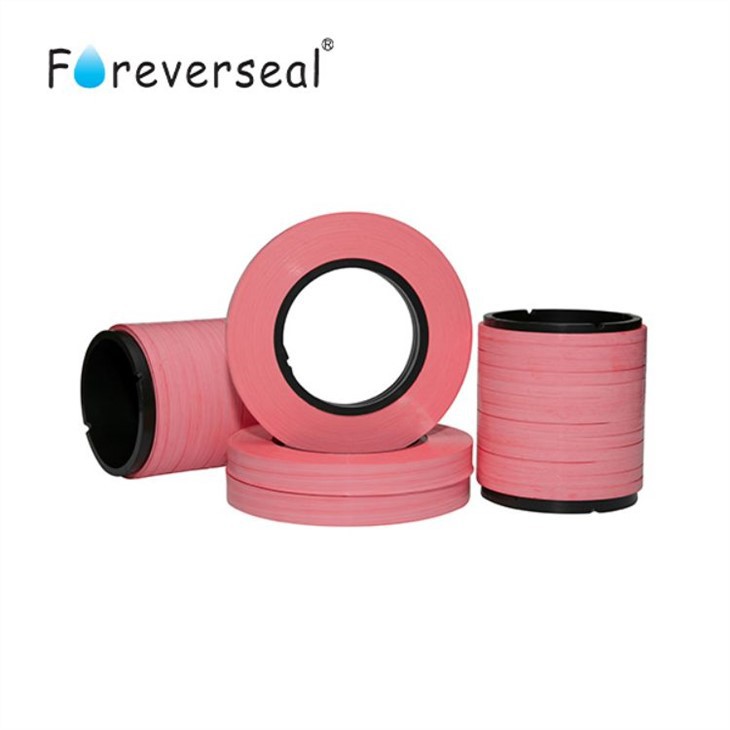
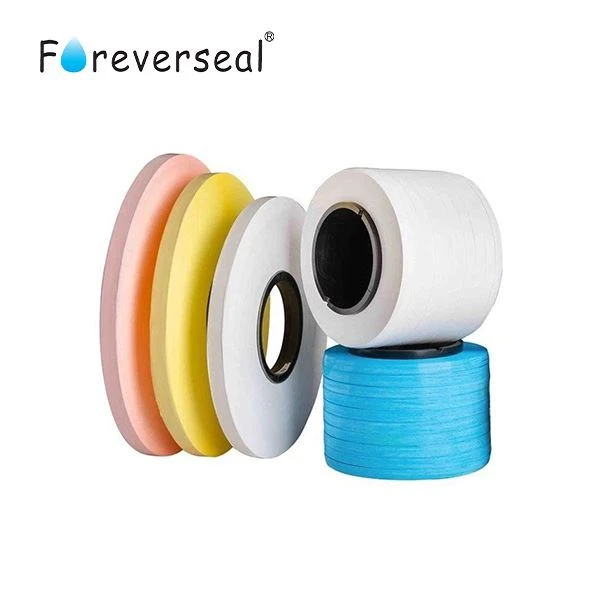
Durability under UV exposure is another key advantage, especially for outdoor applications. Many plastic films break down when exposed to sunlight, becoming brittle, yellow, and losing their protective properties within a few years. PTFE, on the other hand, has excellent UV resistance, which means it can be used to wrap outdoor equipment, solar panels, or agricultural structures without degrading. This is a huge benefit for farmers who need to wrap irrigation pipes, greenhouse frames, or farm equipment that's exposed to sun and rain year-round - switching to PTFE wrapping film means they don't have to replace those parts every couple of years. As a supplier, I've had customers tell me that our PTFE film used to wrap solar panel mounting brackets is still in perfect condition after 8 years, while the polyethylene film they used before would crack and need replacement after 2 years.
Let's talk about dielectric properties too, because that's what makes PTFE so valuable in electrical applications. PTFE is an excellent electrical insulator, with a high dielectric constant and low dielectric loss, which means it doesn't conduct electricity and doesn't generate heat when exposed to high voltage. That's why it's used so extensively in the electronics and electrical industries - from wrapping power cables to insulating circuit boards. When you wrap a wire or cable with PTFE film, it protects against electrical arcing, prevents short circuits, and maintains consistent electrical performance even in high-temperature environments. Our PTFE Film For Insulation And Cabling is tested to meet IEC and ASTM standards for electrical insulation, so you can trust that it will perform reliably in even the most demanding electrical applications.
One thing I always emphasize to customers is that not all PTFE wrapping films are the same. There's a big difference between low-quality, thin films made with recycled PTFE that can't withstand heavy use, and high-performance, virgin PTFE films that are formulated for specific applications. As a supplier, we invest in R&D to create PTFE films that balance all these advantages - chemical resistance, temperature stability, breathability, mechanical strength, and electrical properties - depending on what the customer needs. For example, if a customer needs a film for wrapping chemical drums that need to be stored outdoors, we might recommend our high-density unsintered PTFE film for its strength and UV resistance. If another customer needs a breathable film for medical device packaging, we'd suggest our water proof breathable vent PTFE film that's been tested for sterility and pore size consistency.
I've also seen how PTFE wrapping film contributes to sustainability, which is a big priority for many businesses now. Because it lasts so much longer than other plastic films, it reduces the amount of waste generated from frequent replacements. Also, high-quality PTFE films are often recyclable, and when you use a film that doesn't break down quickly, you're not contributing to plastic pollution from discarded materials. Of course, like any industrial material, it's important to use it responsibly, but the longevity and durability of PTFE wrapping film make it a more sustainable choice in the long run compared to single-use plastics that need to be replaced constantly.
At the end of the day, the advantages of PTFE wrapping film boil down to reliability. When you wrap something, you want to be confident that it will be protected - whether it's a sensitive electrical component, a batch of food products, a chemical pipe, or a piece of industrial equipment. Other films might work for a short time, but PTFE delivers long-term performance even in the toughest conditions. If you're tired of wrapping films that fail prematurely, cause downtime, or don't provide the protection you need, it's worth exploring how PTFE wrapping film can solve your problems.
If you're ready to find the right PTFE wrapping film for your specific application, we're here to help. Our team has years of experience working with customers across industries, from chemical processing to aerospace to food manufacturing, and we can guide you to the perfect product - whether that's our high-density unsintered film, our breathable vent film, or our specialized film for insulation and cabling. Get in touch with us to discuss your needs, and we'll help you find a solution that improves the performance and lifespan of your equipment, products, and processes.
References
- Krevelen, D. W. van, & Te Nijenhuis, K. (2009). Properties of Polymers: Their Correlation with Chemical Structure; Their Numerical Estimation and Prediction from Additive Group Contributions (4th ed.). Elsevier.
- American Society for Testing and Materials (ASTM). (2021). Standard Specification for Polytetrafluoroethylene (PTFE) Film and Sheeting for Electrical Insulation. ASTM D4895-21.
- International Electrotechnical Commission (IEC). (2019). Electrical Insulating Materials - Polytetrafluoroethylene (PTFE) Films - Specifications. IEC 60674-3-4:2019.
- Brandrup, J., Immergut, E. H., & Grulke, E. A. (Eds.). (2003). Polymer Handbook (4th ed.). Wiley-Interscience.
- National Sanitation Foundation (NSF). (2020). Standard 51: Food Equipment Materials. NSF International.
- The American Chemistry Council. (2018). Performance of Fluoropolymers in Corrosive Environments. Fluoropolymer Industry Panel.
- Solar Energy Industries Association (SEIA). (2022). Outdoor Durability of Materials for Solar Mounting Systems. SEIA Technical Report.