

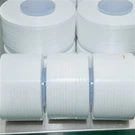
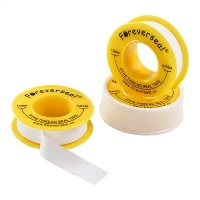


Hey there! As a supplier of PTFE Film Tape, I often get asked about the density of PTFE Film Tape. So, I thought I'd take a deep dive into this topic and share everything I know with you.
Let's start with the basics. PTFE, or Polytetrafluoroethylene, is a synthetic fluoropolymer of tetrafluoroethylene. It's known for its outstanding chemical resistance, high-temperature stability, low friction, and excellent electrical insulation properties. These features make PTFE Film Tape a popular choice in various industries, including electrical, chemical processing, food and beverage, and aerospace.
Understanding Density
Density, in simple terms, is how much mass is packed into a certain volume. For PTFE Film Tape, density is a crucial characteristic because it can affect the tape's performance in different applications. A higher density might mean more durability, better resistance to wear and tear, and potentially improved electrical insulation. On the other hand, a lower density could offer more flexibility and lighter weight.


Typical Density Range of PTFE Film Tape
The density of PTFE Film Tape can vary depending on several factors, such as the manufacturing process, the specific grade of PTFE used, and any additives. Generally, the density of PTFE Film Tape ranges from about 0.7 to 2.16 g/cm³. This range is a good starting point, but it's important to note that different products might fall slightly outside of it.
Factors Affecting Density
- Manufacturing Process: The way the PTFE Film Tape is made can have a big impact on its density. For example, Paste-extruded PTFE Film Unsintered might have a different density compared to other types. The paste extrusion method involves mixing PTFE resin with a lubricant and then extruding it into a film. The amount of lubricant and the extrusion conditions can all influence the final density of the tape.
- Grade of PTFE: There are different grades of PTFE available, each with its own set of properties. Some grades are designed for high-performance applications and might have a higher density to provide better mechanical strength. Others might be optimized for flexibility or cost-effectiveness, resulting in a lower density.
- Additives: Sometimes, additives are added to PTFE Film Tape to enhance certain properties. For example, adding glass fibers can increase the tape's strength and stiffness, which might also affect its density. The type and amount of additives used will determine how much the density changes.
Density and Performance
The density of PTFE Film Tape is closely related to its performance in various applications. Let's take a look at some of the key areas where density plays a role:
Electrical Insulation
PTFE is widely used in electrical applications because of its excellent insulation properties. A higher density PTFE Film Tape can provide better electrical insulation, especially in high-voltage or high-frequency applications. This is because the denser material has fewer voids and pores, which reduces the risk of electrical breakdown. For more information on the use of PTFE tape in electrical cables, check out PTFE Wrapping Film For Electrical Cable.
Chemical Resistance
PTFE is known for its exceptional chemical resistance, and density can also impact this property. A denser tape is generally more resistant to chemical penetration, making it suitable for use in harsh chemical environments. Whether it's in a chemical processing plant or a laboratory, a high-density PTFE Film Tape can help protect equipment and prevent leaks.
Mechanical Properties
Density can also affect the mechanical properties of PTFE Film Tape. A higher density tape is usually more rigid and less flexible, while a lower density tape is more pliable. This can be important when choosing the right tape for a specific application. For example, in applications where the tape needs to be wrapped around irregular shapes, a lower density tape might be a better choice.
Low Loss Cables
In the telecommunications and electronics industries, Low Loss Cable PTFE - Tape Dielectric Types are in high demand. The density of the PTFE tape used in these cables can have a significant impact on their performance. A carefully controlled density ensures low signal loss and high transmission efficiency.
Different Types of PTFE Film Tape and Their Density
As mentioned earlier, there are different types of PTFE Film Tape, and each type can have a different density. Let's take a look at some common types:
Unsintered Extruded PTFE
Unsintered Extruded PTFE tape has unique properties due to its unsintered state. It's often more porous and less dense compared to sintered PTFE tape. This makes it more flexible and easier to work with in some applications. However, it might also have slightly lower mechanical strength.
Low Density Extruded PTFE
Low Density Extruded PTFE tape, as the name suggests, has a lower density. This type of tape is ideal for applications where weight and flexibility are important, such as in some aerospace or medical applications.
How to Choose the Right Density
When it comes to choosing the right PTFE Film Tape for your application, density is just one of the factors to consider. Here are some tips to help you make the right decision:
- Understand Your Application: First, you need to understand the specific requirements of your application. If you need high electrical insulation, a higher density tape might be better. If flexibility is key, a lower density tape could be the way to go.
- Consult with a Supplier: As a PTFE Film Tape supplier, I'm here to help. I can provide you with detailed information about the different types of tapes we offer and their densities. I can also help you choose the right tape based on your specific needs.
- Test the Product: If possible, it's a good idea to test the PTFE Film Tape before making a large purchase. This will allow you to see how it performs in your actual application and determine if it meets your requirements.
Conclusion
The density of PTFE Film Tape is an important characteristic that can significantly affect its performance in various applications. Whether you need a high-density tape for better electrical insulation or a low-density tape for more flexibility, there's a PTFE Film Tape out there that's right for you.
If you're interested in learning more about our PTFE Film Tape products or have any questions about density or other properties, don't hesitate to reach out. We're here to help you find the perfect solution for your needs. Let's start a conversation and see how we can work together to meet your PTFE Film Tape requirements.
References
- "Handbook of Fluoropolymer Science and Technology"
- "PTFE: Properties and Applications" research papers from relevant scientific journals.