


Yo! I'm a supplier of porous PTFE film, and I'm super stoked to chat with you about how the thickness of porous PTFE film affects its performance. It's a topic that's not only super interesting but also crucial for anyone looking to use this amazing material. So, let's dive right in!
Understanding Porous PTFE Film
First off, let's quickly go over what porous PTFE film is. PTFE, or polytetrafluoroethylene, is a synthetic fluoropolymer with some seriously cool properties. It's non - stick, chemical - resistant, and has a low friction coefficient. When we make it porous, we add another layer of functionality. Porous PTFE film has tiny holes that allow for things like air and moisture to pass through while still maintaining many of the base properties of PTFE.
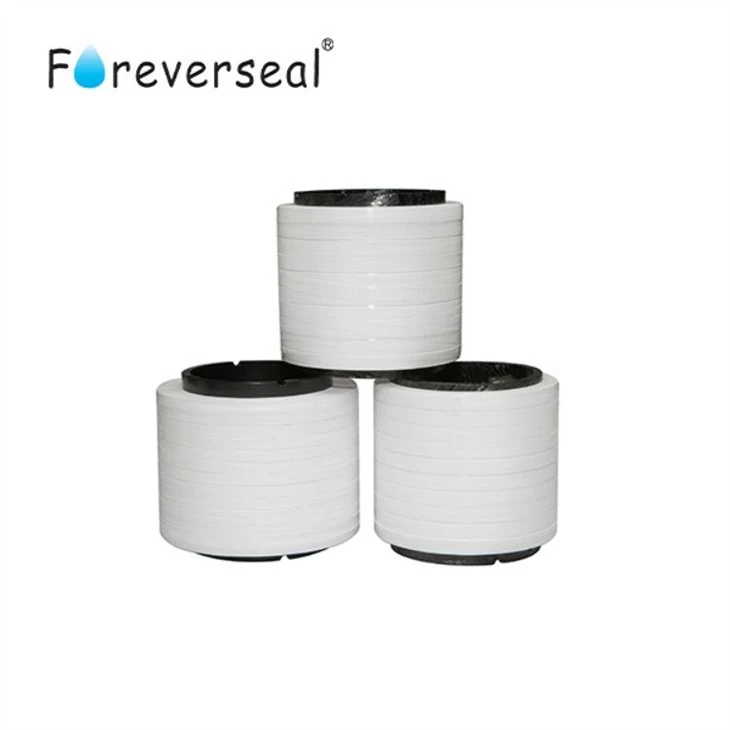
This film is used in a bunch of different applications. You might find it in PTFE Film Tape for insulation, or in PTFE Tape For Cable Wrapping And Insulation to keep cables safe and dry. It's also used in stuff like filtration systems, medical devices, and even in some outdoor clothing for breathability.
How Thickness Affects Mechanical Performance
Let's start with mechanical performance. The thickness of the porous PTFE film can have a major impact on how tough and durable it is. Thicker films generally tend to be stronger and more resistant to tearing. Think about it like a piece of paper. A thin piece is easy to rip, but a thick sheet is much more robust.
When you're using the film in applications where it might get stretched or tugged on, like in cable wrapping with PTFE Cable Wrapping Tape, a thicker film is going to hold up better. It can withstand more stress without breaking, which is super important for long - term use.
On the flip side, a thinner film is more flexible. It can bend and fold more easily without cracking. This flexibility can be a huge advantage in applications where the film needs to conform to complex shapes. For example, in some medical devices, a thin, flexible porous PTFE film can be wrapped around delicate tissues without causing damage.
Impact on Filtration and Breathability
One of the key features of porous PTFE film is its filtration and breathability properties, and thickness plays a big role here too. A thicker film will generally have a lower breathability. The extra material means there are more barriers for air and moisture to pass through. So, if you're using the film in something like outdoor clothing where breathability is crucial, a thinner film is going to be your best bet.
In terms of filtration, the thickness can affect the efficiency of particle capture. Thicker films can trap smaller particles more effectively because there are more layers for the particles to get caught in. But this also means that the flow rate of the fluid (either gas or liquid) being filtered will be lower. It's a bit of a trade - off. If you need to filter out really fine particles, you might choose a thicker film, even if it means sacrificing some flow rate. However, if you need a high - flow filtration system, a thinner film would be more suitable.
Influence on Electrical Properties
Another important aspect is the electrical properties of the film. Porous PTFE film is often used for electrical insulation, as seen in PTFE Tape For Electrical Use. Thicker films usually offer better electrical insulation. The extra thickness provides more material to prevent the flow of electric current, reducing the risk of electrical leakage.
This is especially important in high - voltage applications where safety is a top concern. A thicker porous PTFE film can act as a more reliable barrier between electrical conductors, keeping everything running smoothly and safely. But again, it's not always all about thickness. Sometimes, a thinner film might be preferred if you need a more lightweight or flexible insulation solution. In these cases, the trade - off is that you might have slightly lower insulation performance, but you gain in other areas like portability and ease of use.
Thermal Performance and Thickness
Thermal performance is also affected by the thickness of the porous PTFE film. Thicker films generally have better thermal insulation properties. They can slow down the transfer of heat, which can be really useful in applications where you need to keep things at a certain temperature. For example, in some industrial processes where heat - sensitive materials are involved, a thick porous PTFE film can help maintain a stable temperature.
On the other hand, thinner films can dissipate heat more quickly. This can be beneficial in applications where heat build - up is a problem, like in some electronic devices. If the device is generating a lot of heat, a thin porous PTFE film can allow the heat to escape rapidly, preventing overheating and potential damage to the device.
Considerations for Different Applications
When choosing the right thickness of porous PTFE film for your application, it's important to think about what you really need. For example, if you're making PTFE Cable Tape, you'll need to balance the need for mechanical strength (to withstand installation and long - term use) with the requirements for electrical insulation. A medium - thickness film might be a good choice here.
If you're working on a medical filtration application, you'll have to consider how small the particles are that you need to filter and how much flow rate you can tolerate. You might find that a thicker film is necessary for effective particle capture, even if it means a slower flow.

In the case of outdoor clothing, breathability is likely your top priority. So, a thin porous PTFE film would be the way to go, as it allows air and moisture to pass through easily, keeping the wearer dry and comfortable.
Wrapping It Up and Reaching Out
In the end, the thickness of porous PTFE film is a key factor that can significantly affect its performance in various applications. Whether you're looking for mechanical strength, filtration efficiency, electrical insulation, or thermal stability, understanding how thickness plays into these properties is essential.
As a supplier of porous PTFE film, I've got a wide range of options when it comes to thickness. We can work together to figure out the perfect thickness for your specific needs. If you're interested in learning more or want to start a procurement discussion, don't hesitate to reach out. We're here to help you get the most out of porous PTFE film for your projects.
References
- "PTFE: Properties and Applications" - A comprehensive guide on the general characteristics of PTFE materials.
- "Filtration Technology Using Porous Polymers" - This book delves into the filtration aspects of porous polymers, including PTFE.
- "Electrical Insulation Materials: Principles and Applications" - A great resource for understanding the electrical properties of insulation materials like porous PTFE film.