




Hey there! As a supplier of thin PTFE film, I've been getting a lot of questions about the electrical properties requirements of this amazing material in electronic components. So, I thought I'd take a moment to share some insights and clear up any confusion.
First off, let's talk about what PTFE is. PTFE, or polytetrafluoroethylene, is a synthetic fluoropolymer that's known for its excellent chemical resistance, low friction, and high temperature stability. It's often used in a wide range of applications, including electrical insulation, gaskets, and non-stick coatings.
When it comes to electronic components, thin PTFE film plays a crucial role. It's used in everything from printed circuit boards (PCBs) to cables and connectors. But what are the specific electrical properties requirements that make thin PTFE film so valuable in these applications?
Dielectric Constant
One of the most important electrical properties of thin PTFE film is its dielectric constant. The dielectric constant, also known as the relative permittivity, is a measure of how well a material can store electrical energy in an electric field. In electronic components, a low dielectric constant is often desirable because it allows for faster signal transmission and reduces signal loss.
Thin PTFE film typically has a very low dielectric constant, usually around 2.1. This makes it an ideal choice for high-frequency applications, such as microwave circuits and high-speed data transmission. The low dielectric constant helps to minimize signal distortion and ensure reliable performance.
Dielectric Strength
Another important property is dielectric strength. Dielectric strength is the maximum electric field that a material can withstand without breaking down and conducting electricity. In electronic components, a high dielectric strength is essential to prevent electrical breakdown and ensure the safety and reliability of the device.
Thin PTFE film has excellent dielectric strength, which means it can withstand high voltages without breaking down. This makes it suitable for use in high-voltage applications, such as power transformers and capacitors.
Volume Resistivity
Volume resistivity is a measure of a material's ability to resist the flow of electric current. In electronic components, a high volume resistivity is important to prevent leakage currents and ensure the proper functioning of the device.
Thin PTFE film has a very high volume resistivity, typically on the order of 10^16 ohm-cm. This makes it an excellent insulator and helps to prevent electrical interference and short circuits.
Dissipation Factor
The dissipation factor, also known as the loss tangent, is a measure of how much energy is lost as heat when an alternating current is applied to a material. In electronic components, a low dissipation factor is desirable because it reduces energy loss and improves the efficiency of the device.
Thin PTFE film has a very low dissipation factor, usually less than 0.0002 at high frequencies. This makes it an ideal choice for high-frequency applications, where energy efficiency is crucial.
Applications of Thin PTFE Film in Electronic Components
Now that we've discussed the electrical properties requirements of thin PTFE film, let's take a look at some of its common applications in electronic components.
Printed Circuit Boards (PCBs)
Thin PTFE film is often used as a dielectric material in PCBs. Its low dielectric constant and high dielectric strength make it an ideal choice for high-frequency applications, such as microwave circuits and high-speed data transmission. The low dissipation factor also helps to reduce signal loss and improve the overall performance of the PCB.

Cables and Connectors
Thin PTFE film is also used in cables and connectors to provide electrical insulation and reduce signal loss. Its low dielectric constant and high volume resistivity make it an excellent choice for high-speed data transmission and high-frequency applications.
Capacitors
Thin PTFE film is used as a dielectric material in capacitors to store electrical energy. Its high dielectric strength and low dissipation factor make it an ideal choice for high-voltage and high-frequency applications.
Microwave Circuits
Thin PTFE film is widely used in microwave circuits to provide electrical insulation and reduce signal loss. Its low dielectric constant and high dielectric strength make it an ideal choice for high-frequency applications, such as radar systems and wireless communication devices.
Our Products
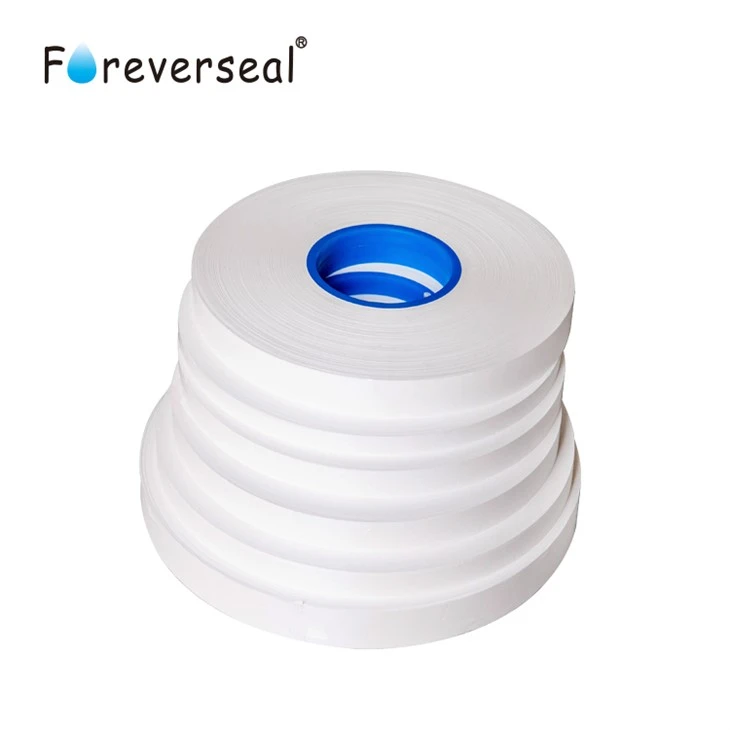
As a supplier of thin PTFE film, we offer a wide range of products that meet the electrical properties requirements of electronic components. Our products include High Dielectric Resistance Ptfe Film, Low Loss Cable PTFE- Tape Dielectric Types, and Expanded PTFE Cable Wrapping Tape.
Our high dielectric resistance PTFE film is designed to provide excellent electrical insulation and high dielectric strength. It's suitable for use in high-voltage applications, such as power transformers and capacitors.
Our low loss cable PTFE- tape dielectric types are designed to reduce signal loss and improve the performance of cables and connectors. They're suitable for use in high-speed data transmission and high-frequency applications.
Our expanded PTFE cable wrapping tape is designed to provide excellent electrical insulation and mechanical protection for cables. It's suitable for use in a wide range of applications, including telecommunications, aerospace, and automotive.
Conclusion
In conclusion, thin PTFE film is a versatile and valuable material that plays a crucial role in electronic components. Its excellent electrical properties, such as low dielectric constant, high dielectric strength, high volume resistivity, and low dissipation factor, make it an ideal choice for a wide range of applications.
If you're in the market for thin PTFE film for your electronic components, we'd love to hear from you. Contact us today to learn more about our products and how we can help you meet your electrical properties requirements.
References
- "Handbook of Polymer Science and Technology" by J. Brandrup and E. H. Immergut
- "Electrical Insulation for Rotating Machines" by G. C. Stone, E. A. Boulter, and I. Culbert
- "High-Frequency Electronics" magazine