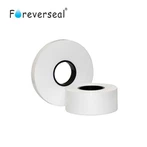
Polytetrafluoroethylene (PTFE) has many industrial applications due to its physical and chemical properties. These include:
Bearing
Because PTFE has low friction, it can be used in plain bearings, gears, slides, seals and gaskets.
coating
PTFE is used in industrial coatings because of its low coefficient of friction and resistance to high temperatures. For example, PTFE is used to coat hoses, windshield wipers and hair straighteners in corrosive environments. Teflon coating is also used on cookware to prevent food from sticking.
Degreasing
Block Teflon foam can be used to remove oil from water surfaces.
Other uses
PTFE is used in valves, wire insulation, insulating transformers, chemical processing equipment, chemical transportation and PTFE rubber diaphragms.
The most common application of PTFE globally is in industrial coatings. It has a very low coefficient of friction and high temperature resistance, making it ideal for harsh conditions. Interestingly, PTFE lubricants are used in the manufacture of rocket propellant igniters and to coat certain types of bullets to reduce wear on the inside of gun barrels. Other uses include coatings on hoses to withstand corrosive environments and low-friction coatings on windshield wipers and hair straighteners. Use Teflon coatings and non-stick wear-resistant materials on cookware to prevent food from sticking to pots and pans.


Applications in other industries:
1. Food and Beverages
PTFE is used in the food and beverage industry to form nonstick, heat-resistant coatings on pots, pans, and other kitchen and cooking appliances such as microwaves, coffee makers, blenders, and even waffle irons. PTFE also has good electrical insulating properties, making it an excellent use for pipe linings, seals, and coatings. Unlike other synthetic resin options, PTFE is more durable and can last at higher temperatures. PTFE is a valuable addition to the food and beverage industry due to its non-stick properties and food safety rating.
2. Architecture
Applications and uses of PTFE are also found in the construction industry as it effectively acts as an electrical insulator. The construction industry utilizes PTFE to wrap and protect electrical wires because of its resistance to heat, water and chemicals. Gas pipes and hoses can also be made of PTFE. PTFE coatings can also enhance the performance of construction tools. PTFE is widely valued in the construction industry for its resistance to corrosion and wear.
3. Chemical processing and manufacturing
The chemical manufacturing and processing industries also use PTFE for its ability to transport corrosive chemicals and materials. PTFE can withstand the harsher environments required for chemical manufacturing and processing while adding an extra layer of protection. The industry also relies on products like PTFE, which will not melt or corrode when used continuously at high temperatures with chemicals.
4. Cars
PTFE is used in engine components and vehicle exteriors due to its high temperature resistance and thermal stability, and its use also extends to the automotive industry. PTFE provides leak-proof technology, longer life and greater reliability at high speeds and temperatures. The automotive industry uses PTFE due to its resistance to corrosive chemicals in lubricants and fuels. PTFE is also flame retardant and provides greater resilience in equipment that often operates in more extreme conditions. PTFE applications in the automotive industry include fuel hose liners, gaskets, O-rings, valve stem seals and shaft seals. PTFE is also water-resistant and can even repel water, making it ideal for use in car wiper blades and glass windshields.
5. Electrical
The electrical industry uses PTFE to make insulators, semiconductor parts and circuit boards. The use and application of PTFE in electronic and electrical applications continues to increase due to its high-quality insulating properties under the harshest conditions. The electrical industry relies on PTFE to withstand high temperatures and corrosive chemicals and materials while still providing necessary design flexibility. Fillers such as copper can be added to PTFE to increase its electrical and thermal conductivity.
6. Medical
The medical industry uses PTFE because its medical-grade components are used in medical devices such as cardiovascular grafts, heart patches and ligament replacements. PTFE is also part of items frequently used in the medical industry, such as medical devices and testing equipment such as sutures, catheters, and forceps. Medical devices and instruments rely on PTFE's high chemical and friction resistance while also complying with FDA regulations and standards of care.
7. Solar panel manufacturing
The solar panel manufacturing industry uses PTFE because it can typically withstand temperatures up to 260 degrees Celsius. PTFE has good light resistance and UV resistance, good weather resistance, and strong heat and cold resistance. Solar panel manufacturers rely on PTFE because it is highly durable and suitable for all types of weather and exposure to the elements. At Smartech, we offer glass sheet PTFE material for solar panel lamination process. The PTFE coating on these boards provides extra durability and the ability to withstand water, chemicals, corrosion and fluctuating temperatures.