


Can PTFE Wrapping Film be used in high - pressure applications?
In the realm of industrial materials, PTFE (Polytetrafluoroethylene) wrapping film has long been recognized for its unique properties. As a PTFE wrapping film supplier, I am often asked whether this material can be effectively used in high - pressure applications. In this blog, we will delve into the characteristics of PTFE wrapping film and explore its suitability for high - pressure scenarios.
Understanding PTFE Wrapping Film
PTFE is a synthetic fluoropolymer of tetrafluoroethylene. It is well - known for its non - stick properties, high chemical resistance, and excellent electrical insulation. PTFE wrapping film is a thin, flexible material that can be used to wrap various objects, providing protection and enhancing performance.
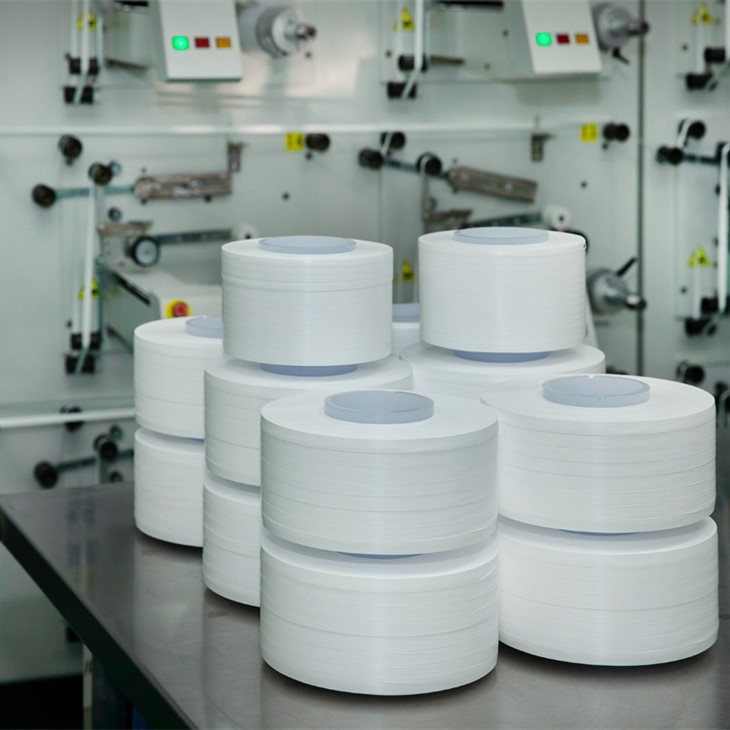
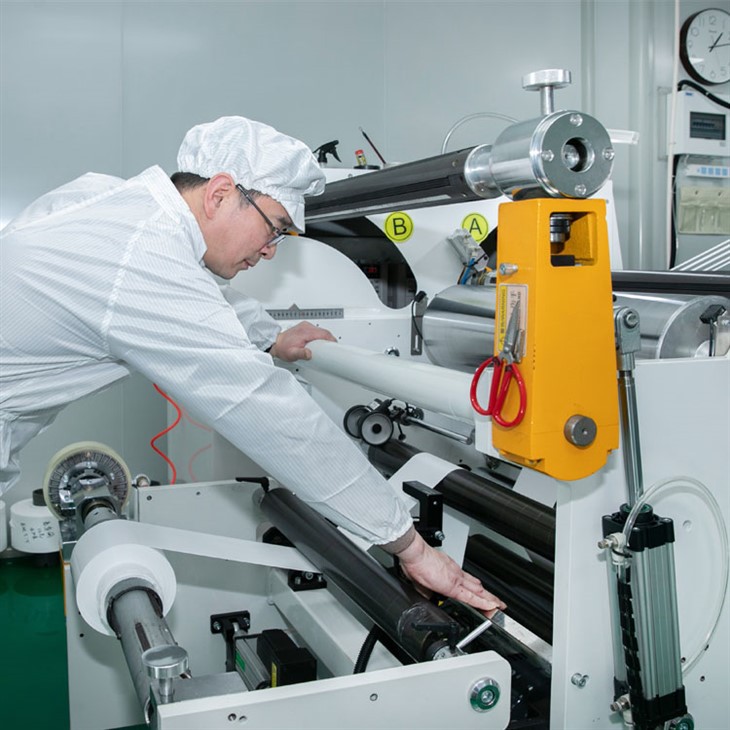
The non - stick nature of PTFE makes it ideal for applications where adhesion is a concern. For example, in food processing industries, PTFE wrapping film can be used to prevent food from sticking to equipment, reducing cleaning time and improving efficiency. Its high chemical resistance allows it to withstand exposure to a wide range of chemicals, making it suitable for use in chemical processing plants.
Properties Relevant to High - Pressure Applications
- Mechanical Strength
PTFE has a relatively high tensile strength, which is an important factor in high - pressure applications. Tensile strength refers to the maximum stress that a material can withstand while being stretched or pulled before breaking. PTFE wrapping film can maintain its integrity under a certain amount of stress, which is crucial when dealing with high - pressure situations. However, it's important to note that the mechanical strength of PTFE can be affected by factors such as temperature and the presence of impurities. - Compression Resistance
In high - pressure applications, the material needs to be able to resist compression. PTFE has good compression resistance, which means it can maintain its shape and performance even when subjected to high pressures. This property is essential for applications such as gaskets and seals, where the material needs to prevent leakage under pressure. - Chemical Stability
High - pressure applications often involve exposure to various chemicals. PTFE's chemical stability makes it resistant to most chemicals, including acids, bases, and solvents. This means that in high - pressure environments where chemical reactions may occur, PTFE wrapping film can maintain its performance and prevent corrosion or degradation.
Applications in High - Pressure Scenarios
- Hydraulic Systems
Hydraulic systems operate under high pressure to transmit power. PTFE wrapping film can be used to wrap hydraulic hoses and fittings to prevent leakage and improve the overall performance of the system. The non - stick property of PTFE also helps to reduce friction, which can improve the efficiency of the hydraulic system. - Oil and Gas Industry
In the oil and gas industry, high - pressure pipelines and equipment are common. PTFE wrapping film can be used to protect these components from corrosion and abrasion. Its chemical resistance makes it suitable for use in environments where it may come into contact with various hydrocarbons and chemicals. - Aerospace Applications
Aerospace applications often require materials that can withstand high pressures and extreme temperatures. PTFE wrapping film can be used in aircraft hydraulic systems, fuel lines, and other high - pressure components. Its lightweight and high - performance properties make it an ideal choice for aerospace applications.
Limitations in High - Pressure Applications
- Temperature Limitations
Although PTFE has good high - temperature resistance, its performance can be affected at extremely high temperatures. In high - pressure applications where temperatures may rise significantly, the mechanical properties of PTFE may degrade, reducing its effectiveness. - Creep
PTFE has a tendency to creep under long - term high - pressure conditions. Creep is the gradual deformation of a material under a constant load over time. This can be a concern in applications where precise dimensions and performance are required.
Related PTFE Products
As a PTFE wrapping film supplier, we also offer a range of related products. PTFE Waterproof Breathable Tape is designed to provide both waterproofing and breathability, which can be useful in applications where moisture control is important. PTFE Cable Shielding Tape is used to protect cables from electromagnetic interference and provide electrical insulation. Cable Wrapped Ptfe Film is specifically designed for cable wrapping applications, offering protection and enhanced performance.
Conclusion
In conclusion, PTFE wrapping film can be used in high - pressure applications to a certain extent. Its mechanical strength, compression resistance, and chemical stability make it a suitable choice for many high - pressure scenarios. However, it also has limitations such as temperature sensitivity and creep. When considering using PTFE wrapping film in high - pressure applications, it is important to carefully evaluate the specific requirements of the application and consult with experts if necessary.
If you are interested in purchasing PTFE wrapping film or any of our related products for high - pressure applications, please feel free to contact us for more information and to discuss your specific needs. We are committed to providing high - quality products and excellent customer service.
References
- Smith, J. (2018). "Properties and Applications of PTFE". Journal of Materials Science.
- Johnson, A. (2019). "High - Pressure Applications of Polymers". Industrial Engineering Journal.