

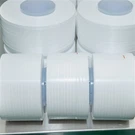
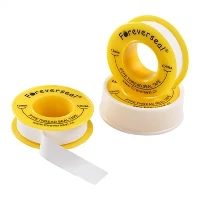
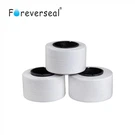


PTFE (Polytetrafluoroethylene) film is a remarkable material known for its superior resistance to saltwater corrosion, making it an ideal choice for various applications in marine and other harsh environments. As a leading supplier of PTFE film, we are often asked about the science behind its corrosion - resistant properties. In this blog post, we will explore how PTFE film achieves its excellent resistance to saltwater corrosion.
The Chemical Structure of PTFE
The key to PTFE's corrosion resistance lies in its unique chemical structure. PTFE is a polymer consisting of carbon and fluorine atoms. The carbon - fluorine bond is extremely strong, with a bond energy of about 485 kJ/mol. This high bond energy makes the PTFE molecule very stable and resistant to chemical attack.
Saltwater contains various corrosive substances, such as sodium chloride (NaCl), magnesium chloride (MgCl₂), and calcium chloride (CaCl₂). When these salts dissolve in water, they dissociate into ions, which can react with many materials and cause corrosion. However, the strong carbon - fluorine bonds in PTFE prevent these ions from breaking the molecular structure of the film. The fluorine atoms form a dense and protective sheath around the carbon backbone, shielding it from the aggressive ions in the saltwater.
Low Surface Energy
PTFE has an extremely low surface energy, which is another important factor contributing to its saltwater corrosion resistance. The surface energy of PTFE is typically around 18 - 20 mJ/m². This low surface energy makes it difficult for water and other substances to wet the surface of the PTFE film.
In the context of saltwater corrosion, the low surface energy of PTFE means that saltwater droplets tend to bead up on the surface rather than spreading out. When water beads up, it reduces the contact area between the saltwater and the PTFE film. As a result, the chances of corrosive ions in the saltwater coming into contact with the film and causing corrosion are significantly reduced.
Hydrophobicity
PTFE is highly hydrophobic, meaning it repels water. This property is closely related to its low surface energy. The hydrophobic nature of PTFE prevents water from adhering to the film surface. In a saltwater environment, this is crucial because it minimizes the amount of saltwater that can remain on the film.
When saltwater dries on a material's surface, the dissolved salts are left behind. These salts can then form a concentrated solution, which is even more corrosive than the original saltwater. Since PTFE repels water, it reduces the likelihood of salt deposition on its surface. This helps to maintain the integrity of the film and prevent corrosion.
Inertness
PTFE is a chemically inert material. It does not react with most acids, bases, or other chemicals under normal conditions. In saltwater, there are often various chemical reactions taking place, and the presence of different ions can create a complex chemical environment. However, PTFE remains stable and does not participate in these reactions.
For example, in the presence of oxygen and saltwater, many metals undergo oxidation reactions, leading to corrosion. But PTFE is not affected by these oxidation - reduction reactions. Its inertness allows it to maintain its physical and chemical properties even in the harsh conditions of a saltwater environment.


Applications of PTFE Film in Saltwater - Exposed Environments
The excellent saltwater corrosion resistance of PTFE film makes it suitable for a wide range of applications in marine and other salt - exposed environments.
Marine Electrical Systems
In marine electrical systems, PTFE film is widely used. For instance, Teflon Electrical Tape is a popular product made from PTFE film. It provides insulation for electrical wires and cables in boats and ships. The saltwater in the marine environment can cause corrosion of electrical components, leading to electrical failures. PTFE film's corrosion resistance ensures the long - term reliability of these electrical systems.
Cable Insulation
Binder Tape For Cable Insulation is another important application. Cables used in offshore oil rigs, submarines, and coastal power plants are often exposed to saltwater. PTFE film used as cable insulation protects the cables from the corrosive effects of saltwater, extending their service life and reducing the risk of electrical short - circuits.
Wire and Cable Application in Harsh Environments
EPTFE TAPE For Wire And Cable Application is designed for use in wire and cable systems in harsh environments. It can withstand the high humidity and salt - laden air near the sea. The PTFE film's ability to resist saltwater corrosion ensures that the wires and cables remain functional and safe.
Quality and Performance of Our PTFE Film
As a PTFE film supplier, we are committed to providing high - quality products. Our PTFE films are manufactured using advanced production techniques to ensure consistent quality and performance.
We conduct rigorous quality control tests on our PTFE films. These tests include measuring the film's thickness, surface smoothness, and chemical composition. We also test the film's resistance to saltwater corrosion through accelerated corrosion tests. In these tests, the PTFE film is exposed to a simulated saltwater environment for a certain period, and then its performance is evaluated.
Our customers can rely on the durability and corrosion resistance of our PTFE films. Whether it's for small - scale marine projects or large - scale industrial applications in salt - exposed areas, our PTFE films can meet the requirements.
Contact Us for PTFE Film Procurement
If you are in need of high - quality PTFE film for your salt - exposed applications, we invite you to contact us for procurement. Our team of experts can provide you with detailed information about our products, including their specifications, performance data, and pricing. We are dedicated to helping you find the most suitable PTFE film solution for your specific needs.
References
- Billmeyer, F. W. (1984). Textbook of Polymer Science. Wiley - Interscience.
- Brandrup, J., & Immergut, E. H. (1989). Polymer Handbook. Wiley - Interscience.
- Mittal, K. L. (1996). Polytetrafluoroethylene (PTFE): Surface Modification and Adhesion. VSP.