


LD EPTFE (Low Density Expanded Polytetrafluoroethylene) film has gained significant attention in various industries due to its unique properties such as high porosity, low dielectric constant, and excellent chemical resistance. One of the key aspects that determine its applicability in many applications is how well it bonds to fabrics. As a supplier of LD EPTFE film, I have witnessed firsthand the importance of this bonding process and its impact on the performance of the final products.
Understanding LD EPTFE Film
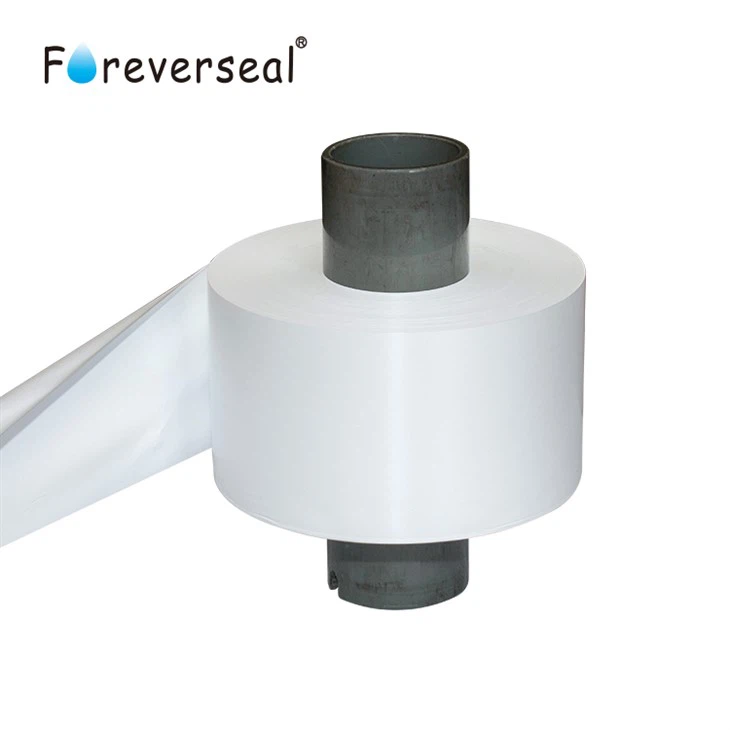
LD EPTFE film is produced through a specialized expansion process that creates a microporous structure. This structure gives the film its characteristic low density and high porosity, which in turn leads to its excellent breathability and low dielectric constant. These properties make LD EPTFE film suitable for a wide range of applications, including PTFE Unsintered Film For Insulating Material, Low Density Ptfe Films For Cable, and Electric Insulation Ptfe Tape.
Factors Affecting Bonding
Several factors can influence how well LD EPTFE film bonds to fabrics. These include the surface properties of the fabric, the bonding method used, and the environmental conditions during the bonding process.

Surface Properties of the Fabric
The surface energy of the fabric plays a crucial role in the bonding process. Fabrics with high surface energy tend to have better adhesion to LD EPTFE film. For example, natural fibers such as cotton and wool generally have higher surface energy compared to synthetic fibers like polyester and nylon. However, the surface energy of synthetic fibers can be modified through various surface treatment methods, such as plasma treatment or chemical etching, to improve their bonding performance.
Bonding Method
There are several methods available for bonding LD EPTFE film to fabrics, including adhesive bonding, thermal bonding, and ultrasonic bonding.
- Adhesive Bonding: This is one of the most common methods used for bonding LD EPTFE film to fabrics. Adhesives can provide a strong and durable bond, but the choice of adhesive is critical. The adhesive should have good compatibility with both the LD EPTFE film and the fabric, and it should also have the appropriate viscosity and curing properties. For example, silicone adhesives are often used due to their excellent chemical resistance and high temperature stability.
- Thermal Bonding: Thermal bonding involves heating the LD EPTFE film and the fabric to a temperature where the film softens and adheres to the fabric. This method is suitable for fabrics that can withstand high temperatures. However, care must be taken to control the temperature and pressure during the bonding process to avoid damaging the fabric or the LD EPTFE film.
- Ultrasonic Bonding: Ultrasonic bonding uses high-frequency ultrasonic vibrations to generate heat and pressure at the interface between the LD EPTFE film and the fabric. This method is fast and efficient, and it can provide a strong bond without the need for adhesives. However, it requires specialized equipment and is more suitable for certain types of fabrics.
Environmental Conditions
The environmental conditions during the bonding process can also affect the bonding performance. For example, high humidity can reduce the adhesion strength of adhesives, while low temperatures can slow down the curing process. Therefore, it is important to control the temperature and humidity in the bonding environment to ensure consistent and reliable bonding results.
Testing the Bonding Strength
To ensure the quality of the bonded products, it is necessary to test the bonding strength of the LD EPTFE film to the fabric. There are several methods available for testing the bonding strength, including peel testing, shear testing, and tensile testing.
- Peel Testing: Peel testing measures the force required to separate the LD EPTFE film from the fabric at a specific angle. This test is commonly used to evaluate the adhesion strength of the bond.
- Shear Testing: Shear testing measures the force required to slide the LD EPTFE film along the surface of the fabric. This test is useful for evaluating the resistance of the bond to shear forces.
- Tensile Testing: Tensile testing measures the force required to pull the LD EPTFE film and the fabric apart in a straight line. This test can provide information about the overall strength of the bond.
Applications of Bonded LD EPTFE Film and Fabrics
The combination of LD EPTFE film and fabrics has a wide range of applications in various industries.
- Protective Clothing: LD EPTFE film can be bonded to fabrics to create protective clothing that is waterproof, breathable, and resistant to chemicals and biological agents. This type of clothing is commonly used in industries such as healthcare, firefighting, and chemical processing.
- Electronics: LD EPTFE film can be bonded to fabrics to create flexible printed circuit boards (PCBs) and other electronic components. The high dielectric constant and low loss tangent of LD EPTFE film make it suitable for high-frequency applications.
- Filtration: LD EPTFE film can be bonded to fabrics to create high-performance filtration materials. The microporous structure of the LD EPTFE film allows for efficient filtration of particles and liquids, while the fabric provides mechanical support.
Conclusion
The bonding of LD EPTFE film to fabrics is a complex process that is influenced by several factors. By understanding these factors and choosing the appropriate bonding method, it is possible to achieve a strong and durable bond between the LD EPTFE film and the fabric. As a supplier of LD EPTFE film, I am committed to providing high-quality products and technical support to help our customers achieve the best bonding results.
If you are interested in learning more about our LD EPTFE film products or have any questions about the bonding process, please feel free to contact us for procurement and further discussions.
References
- Brown, R. A. (2006). Handbook of Adhesives and Sealants. McGraw-Hill Professional.
- ASTM International. (2019). Standard Test Methods for Peel Resistance of Adhesives (T-Peel Test). ASTM D1876-08(2019).
- ASTM International. (2017). Standard Test Method for Shear Strength of Adhesives in Single-Shear Lap-Joint by Tension Loading. ASTM D1002-10(2017).
- ASTM International. (2010). Standard Test Method for Tensile Properties of Textile Fabrics. ASTM D5034-09(2010).