


Hey there! As a supplier of Clear PTFE Film, I often get asked about its chemical resistance, especially when it comes to acids and alkalis. So, I thought I'd dive into this topic and share some insights with you.

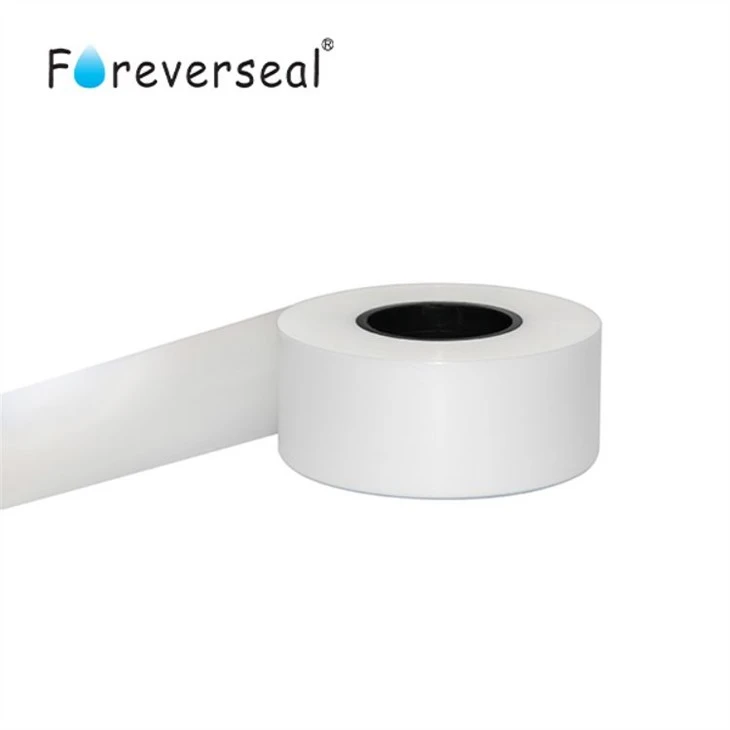
Let's start with what PTFE is. PTFE stands for Polytetrafluoroethylene. It's a synthetic fluoropolymer that's well - known for its amazing properties. Clear PTFE film is a thin, transparent version of this material, which has a wide range of applications from electrical insulation to food packaging.
Now, the big question: Is clear PTFE film sensitive to acids and alkalis? Well, the short answer is no, not really. PTFE is one of the most chemically resistant materials out there. It has a unique molecular structure that makes it highly stable and unreactive.
The carbon - fluorine bonds in PTFE are extremely strong. This strong bond gives PTFE its resistance to chemical attack. Whether it's a strong acid like hydrochloric acid or a strong alkali like sodium hydroxide, clear PTFE film can usually handle them without much of a problem.
For instance, in laboratory settings, PTFE is often used to make containers and tubing for handling corrosive chemicals. Clear PTFE film can be used as a protective layer in these applications. It won't dissolve, corrode, or react with most common acids and alkalis at normal temperatures and pressures.
However, it's important to note that there are some exceptions. At extremely high temperatures and pressures, and with some highly reactive chemicals, PTFE can start to show some signs of degradation. For example, molten alkali metals like sodium and potassium can react with PTFE. Also, some fluorinating agents can break down the PTFE structure. But these are very specific and extreme cases that you're not likely to encounter in most everyday or industrial applications.
In industrial applications, the chemical resistance of clear PTFE film is a huge advantage. For example, in the chemical processing industry, it can be used as a lining in pipes and tanks to prevent corrosion from acidic or alkaline solutions. It can also be used in the electronics industry, where it provides insulation and protection against chemical contaminants.
If you're in the cable industry, our White Full Density Ptfe Film For Cable and White PTFE Cable Tape are great options. They offer the same chemical resistance as our clear PTFE film, along with excellent electrical properties. The full - density PTFE structure ensures durability and long - term performance, even in harsh chemical environments.
And for those looking for a more general - purpose PTFE film, our Full Density Ptfe Skived Film is a top choice. It can be used in a variety of applications, from gaskets to seals, and its chemical resistance makes it suitable for use in contact with acids and alkalis.
Another aspect to consider is the thickness of the clear PTFE film. Thicker films generally offer better chemical resistance. A thicker layer can provide more protection against chemical penetration. However, the choice of thickness also depends on the specific application. For some applications where flexibility is key, a thinner film might be more appropriate, even though it may offer slightly less chemical protection.
When it comes to storage and handling of clear PTFE film, it's important to keep it away from those extreme chemicals that can react with it. Store it in a cool, dry place, and avoid contact with any substances that could potentially damage the film.
In conclusion, clear PTFE film is highly resistant to most acids and alkalis under normal conditions. Its chemical stability makes it a great choice for a wide range of applications where protection against chemical corrosion is needed. Whether you're in the chemical, electronics, or cable industry, our clear PTFE film and related products can meet your needs.
If you're interested in purchasing our Clear PTFE Film or any of our other PTFE products, feel free to reach out. We're always happy to discuss your requirements and provide more information. We can also help you choose the right product for your specific application. So, don't hesitate to start a conversation with us for any procurement needs.
References:
- "Handbook of Fluoropolymer Science and Technology"
- "Polytetrafluoroethylene: Properties and Applications" research papers from relevant chemical and material science journals.