


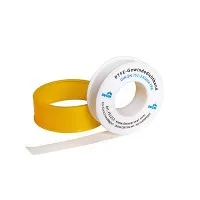
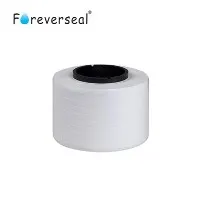

Hey there! As a supplier of Thin PTFE Film, I often get asked a bunch of questions about our product. One of the most common ones is, "Does thin PTFE film have good tear resistance?" Well, let's dig into this topic and find out.
First off, let's understand what PTFE is. PTFE, or polytetrafluoroethylene, is a synthetic fluoropolymer. It's got some pretty amazing properties, like being highly resistant to heat, chemicals, and friction. That's why it's used in so many different industries, from electronics to aerospace.
Now, when it comes to thin PTFE film, tear resistance is a big deal. In a lot of applications, the film needs to be able to withstand some pulling and tugging without tearing apart. For example, in electrical insulation, the film might get bent or stretched during installation, and if it tears easily, it won't do its job properly.
So, does thin PTFE film have good tear resistance? The answer is, it depends. There are a few factors that can affect the tear resistance of thin PTFE film.
One of the main factors is the manufacturing process. How the film is made can have a huge impact on its tear resistance. If the film is made with high - quality materials and a precise manufacturing process, it's more likely to have better tear resistance. At our company, we use state - of the - art manufacturing techniques to ensure that our thin PTFE film has the best possible properties.
Another factor is the thickness of the film. Generally speaking, thicker PTFE films tend to have better tear resistance than thinner ones. But that doesn't mean thin PTFE films can't have good tear resistance. We've developed some really innovative thin films that have surprisingly good tear strength.
The orientation of the polymer chains in the film also matters. When the polymer chains are aligned in a certain way, the film can be more resistant to tearing in specific directions. Our R & D team has been working hard to optimize the chain orientation in our thin PTFE films to improve their tear resistance.
Let's talk about some real - world applications. In the electrical industry, thin PTFE film is widely used for insulation. Low Density PTFE Cable Film is a great example. This type of film needs to be able to wrap around cables without tearing. Our thin PTFE film used in this application has been tested rigorously, and it shows excellent tear resistance even under challenging conditions.
PTFE Tape For Electrical Use is another popular product. It's often used to insulate electrical connections. The tape needs to be flexible enough to be wrapped around wires, but also strong enough not to tear. Our thin PTFE tape has a good balance of flexibility and tear resistance, making it a top choice for electricians.
In the medical field, thin PTFE film is used for various applications, such as in medical devices. The film needs to be biocompatible and also have good tear resistance. Our thin PTFE film meets these requirements, providing a reliable solution for medical manufacturers.
When it comes to testing the tear resistance of thin PTFE film, we use a variety of methods. One common method is the Elmendorf tear test. In this test, a sample of the film is clamped in a tester, and a pendulum is used to tear the film. The force required to tear the film is measured, and this gives us an idea of its tear resistance. We conduct these tests regularly to ensure that our products meet the highest standards.
We also do some real - life simulations. For example, we might simulate the bending and stretching that the film would experience in an actual application. By doing these simulations, we can make sure that our thin PTFE film will perform well in the real world.
Now, compared to other materials, how does thin PTFE film stack up in terms of tear resistance? Well, it's pretty impressive. Some other common insulation materials might tear more easily under the same conditions. PTFE's unique molecular structure gives it an edge when it comes to tear resistance.
Of course, we're always looking for ways to improve. Our R & D team is constantly working on new formulations and manufacturing processes to make our thin PTFE film even more tear - resistant. We're also open to customer feedback, and if there are specific applications where tear resistance is a critical issue, we'll do our best to develop a customized solution.
If you're in the market for thin PTFE film and tear resistance is important to you, we'd love to talk to you. Whether you're in the electrical industry, medical field, or any other industry that uses PTFE film, we can provide you with high - quality products that meet your needs.
Our thin PTFE film is available in different thicknesses and specifications. We can also offer custom - made products if you have special requirements. And if you're not sure which type of film is right for your application, our technical team is here to help. We can provide you with detailed information and advice to make sure you get the best product for your needs.
So, if you're interested in learning more about our thin PTFE film or want to discuss a potential purchase, don't hesitate to reach out. We're always happy to have a chat and see how we can work together to solve your problems.
In conclusion, thin PTFE film can have good tear resistance, especially when it's manufactured with high - quality materials and advanced techniques. Whether you need Low Density PTFE Cable Film, Teflon Tape Electrical Insulation, or PTFE Tape For Electrical Use, we've got you covered. Contact us today to start the conversation!


References
- ASTM D1922 - Standard Test Method for Propagation Tear Resistance of Plastic Film and Thin Sheeting by Pendulum Method.
- Textbooks on polymer science and engineering related to PTFE materials.