


Hey there! As a supplier of transparent PTFE film, I get a lot of questions about how to pick the right one for different applications. It can be a bit of a maze out there, but don't worry - I'm here to break it down for you.


Understanding PTFE Film Basics
First things first, let's talk about what PTFE film is. PTFE, or polytetrafluoroethylene, is a synthetic fluoropolymer that's known for its outstanding chemical resistance, low friction, and high temperature tolerance. Transparent PTFE film, in particular, has all these great properties while also being see - through, which makes it super useful in a bunch of different scenarios.
Factors to Consider When Choosing
Temperature Requirements
One of the most important things to think about is the temperature your application will be exposed to. PTFE film can handle a wide range of temperatures, but different grades have different limits. If you're working in a high - heat environment, like in some industrial ovens or under the hood of a car, you'll need a film that can withstand those high temps without losing its properties. On the other hand, if it's for a more normal, room - temperature application, you might not need such a high - performance film.
Chemical Exposure
Another big factor is chemical exposure. PTFE is famous for its chemical resistance, but not all transparent PTFE films are created equal. Some chemicals can still have an effect on the film over time. If your application involves contact with strong acids, bases, or solvents, you need to make sure the film you choose is specifically designed to resist those chemicals. For example, if you're using it in a chemical lab for covering containers or as a barrier in a reaction setup, you'll want a film with excellent chemical resistance.
Mechanical Properties
The mechanical properties of the film are also crucial. This includes things like tensile strength, tear resistance, and flexibility. If your application requires the film to be stretched or bent a lot, you'll need a film with good flexibility and high tear resistance. For instance, if you're using it for wrapping around irregularly shaped objects, a more flexible film will be much easier to work with.
Optical Clarity
Since we're talking about transparent PTFE film, optical clarity is obviously important. Some applications might need a crystal - clear film, like in display cases or for use in optical instruments. In these cases, you'll want to choose a film with high transparency and low haze. Other applications might not require such perfect clarity, so you can go for a more cost - effective option with slightly lower optical properties.
Specific Applications and Suitable Films
Electrical Insulation
In the electrical industry, transparent PTFE film is often used for insulation. For example, in RF microwave coaxial cables, you need a film that can provide excellent electrical insulation while also being thin and lightweight. Our Ptfe Skived Film For RF Microwave Coaxial Cable is a great choice for this application. It has high dielectric strength, which means it can prevent electrical current from passing through it easily, and it's also very flexible, making it easy to wrap around the cables.
Wire and Cable Wrapping
When it comes to wire and cable wrapping, you need a film that can protect the wires from environmental factors like moisture and abrasion, as well as provide electrical insulation. Our Skived Ptfe Film For Wire And Cable is designed specifically for this purpose. It has good tear resistance and can be easily wrapped around the wires, providing a tight and secure fit.
Insulation Wrapping
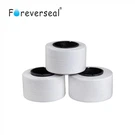
For general insulation wrapping, especially in applications where you need a white, clean - looking finish, our White Sintered PTFE Insulation Wrapping Tape is a top - notch option. It's made from high - quality PTFE and has excellent insulation properties. It can be used in a variety of industries, from electronics to automotive, to keep things insulated and protected.
Cost - Benefit Analysis
Of course, cost is always a consideration. You don't want to overspend on a film that has more features than you actually need, but at the same time, you don't want to go too cheap and end up with a film that doesn't perform well. It's all about finding the right balance. Look at the specific requirements of your application and compare the features and prices of different films. Sometimes, spending a little more upfront can save you a lot of headaches in the long run, especially if it means a longer - lasting and more reliable film.
Quality Assurance
When choosing a transparent PTFE film, it's important to make sure you're getting a high - quality product. Look for a supplier that has a good reputation and can provide you with certificates of quality and testing. At our company, we take quality very seriously. We test all our films to make sure they meet the highest standards in terms of temperature resistance, chemical resistance, and mechanical properties. This way, you can be confident that you're getting a film that will work well for your application.
Customization Options
In some cases, you might have very specific requirements for your transparent PTFE film. Maybe you need a certain thickness, width, or color. That's where customization comes in. A good supplier should be able to offer you customization options to meet your exact needs. We have the capability to produce films in different thicknesses and sizes, and we can even add special coatings or treatments if required.
Making the Decision
So, how do you actually make the decision on which transparent PTFE film to choose? Start by making a list of all the requirements of your application, including temperature, chemical exposure, mechanical properties, and optical clarity. Then, compare different films based on these criteria. Look at the product descriptions, technical data sheets, and customer reviews. If you're still not sure, don't hesitate to reach out to us. We're here to help you make the right choice.
Contact Us for Purchase and Consultation
If you're interested in our transparent PTFE films or need more information, we'd love to hear from you. Whether you're just starting to research or you're ready to place an order, we can provide you with all the details you need. Our team of experts is always available to answer your questions and help you find the perfect film for your application. Don't miss out on the opportunity to get a high - quality product that will meet your needs and exceed your expectations.
References
- "Handbook of Fluoropolymer Science and Technology"
- "Advanced Materials for Electrical Insulation"
- Industry reports on PTFE film applications