

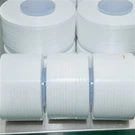
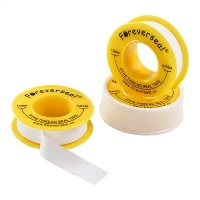


Hey there! As a supplier of Porous PTFE Film, I've seen firsthand the importance of proper disposal. Porous PTFE Film, also known as Porous PTFE Film, is a versatile material used in various industries, from aerospace to medical. But what happens when it's time to get rid of the used stuff? Let's dive into how to handle it the right way.
Understanding Porous PTFE Film
First off, let's talk a bit about what Porous PTFE Film is. It's a type of EPTFE Film that has a porous structure. This gives it some unique properties like high chemical resistance, good breathability, and low friction. It's used in things like filtration, gaskets, and even in PTFE Film For Aerospace Cable because of its excellent insulation properties.
Why Proper Disposal Matters
Porous PTFE Film doesn't break down easily in the environment. If it's not disposed of correctly, it can end up in landfills where it'll sit for a long time. Also, if it's incinerated without the right equipment, it can release harmful substances into the air. So, proper disposal is not just about being environmentally friendly; it's also about protecting public health.


Recycling Options
One of the best ways to dispose of used Porous PTFE Film is through recycling. However, recycling PTFE materials can be tricky because of their chemical stability. But there are some specialized recycling facilities that can handle it.
- Find a Recycling Facility: Start by looking for recycling centers that accept PTFE materials. You can search online or contact your local waste management department. They might be able to point you in the right direction.
- Sorting and Preparation: Before sending your used film to the recycling facility, make sure to sort it properly. Remove any contaminants like dirt, grease, or other non - PTFE materials. This will make the recycling process more efficient.
Landfill Disposal as a Last Resort
If recycling isn't an option, landfill disposal might be the next step. But there are some things to keep in mind.
- Check Local Regulations: Different areas have different rules about what can and can't go into landfills. Make sure to check with your local waste management authorities to see if Porous PTFE Film is allowed.
- Minimize the Amount: Try to reduce the amount of film you send to the landfill. You can do this by reusing it if possible or finding alternative ways to repurpose it.
Incineration with Caution
Incineration can be an option, but it needs to be done in a controlled environment.
- High - Temperature Incineration: PTFE materials need to be incinerated at very high temperatures to ensure complete combustion. This helps prevent the release of harmful by - products like perfluorooctanoic acid (PFOA).
- Use Authorized Incinerators: Only use incinerators that are authorized to handle PTFE materials. These facilities are equipped with the necessary pollution control devices to minimize the environmental impact.
Tips for Reducing Waste
As a supplier, I always encourage my customers to reduce waste in the first place. Here are some tips:
- Optimize Usage: Use the film more efficiently. Measure and cut it accurately to avoid excess waste.
- Reuse and Repurpose: See if you can find ways to reuse the film in other applications. For example, you could use it for small - scale experiments or as a protective covering.
Conclusion
Proper disposal of used Porous PTFE Film is crucial for environmental and health reasons. Whether it's through recycling, landfill disposal, or incineration, make sure to follow the right procedures. And remember, reducing waste in the first place is always the best option.
If you're in the market for high - quality Porous PTFE Film, we're here to help. We offer a wide range of products that meet various industry needs. Contact us to discuss your requirements and let's start a great partnership!
References
- "Properties and Applications of PTFE Materials" - Journal of Polymer Science
- "Environmental Impact of PTFE Disposal" - Environmental Science and Technology