



PTFE (Polytetrafluoroethylene) film is a remarkable material that has found extensive applications in the electronics industry. As a leading PTFE film supplier, we are well - versed in the diverse functions and benefits that PTFE film brings to this sector. In this blog, we will explore the key functions of PTFE film in the electronics industry.
Insulation
One of the most critical functions of PTFE film in the electronics industry is insulation. Electrical insulation is essential to prevent short - circuits and ensure the safe and efficient operation of electronic devices. PTFE film has excellent dielectric properties, which means it can effectively isolate electrical currents.
The high dielectric strength of PTFE film allows it to withstand high voltages without breaking down. This makes it an ideal choice for insulating wires, cables, and printed circuit boards (PCBs). For example, in high - voltage power transmission lines, PTFE - insulated cables can carry large amounts of electricity safely over long distances.
In PCBs, PTFE film can be used as a dielectric layer between conductive traces. This helps to reduce signal interference and crosstalk, improving the overall performance of the circuit. The low dielectric constant of PTFE film also ensures that the electrical signals can propagate through the circuit with minimal loss, which is crucial for high - speed digital circuits.
Chemical Resistance
The electronics industry often deals with various chemicals during the manufacturing and operation of electronic devices. PTFE film is highly resistant to a wide range of chemicals, including acids, bases, solvents, and corrosive substances. This chemical resistance makes it suitable for use in harsh chemical environments.
For instance, in the production of electronic components, PTFE film can be used as a protective coating on the surface of sensitive parts. It can prevent the components from being damaged by chemical substances during the cleaning, etching, or plating processes. In addition, in electronic devices that are exposed to industrial chemicals or environmental pollutants, PTFE film can act as a barrier to protect the internal components from corrosion.
Thermal Stability
Electronic devices generate heat during operation, and excessive heat can affect their performance and lifespan. PTFE film has excellent thermal stability, with a high melting point (around 327°C) and a low coefficient of thermal expansion. This means that it can maintain its physical and electrical properties over a wide range of temperatures.
In high - power electronic devices such as power amplifiers and servers, PTFE film can be used as a heat - resistant insulation material. It can help to dissipate heat effectively and prevent the overheating of components. Moreover, the low coefficient of thermal expansion of PTFE film ensures that it will not deform or crack due to temperature changes, which is important for maintaining the integrity of the electronic device.


Low Friction
PTFE is well - known for its low friction coefficient, which is one of the lowest among all solid materials. In the electronics industry, this property is highly valuable. For example, in the manufacturing of connectors and switches, PTFE film can be used as a lubricating layer. It reduces the friction between moving parts, which not only improves the smoothness of operation but also extends the service life of the components.
In addition, the low friction of PTFE film makes it easier to assemble and disassemble electronic components. This can save time and labor during the manufacturing process and also facilitate the maintenance and repair of electronic devices.
Weather Resistance
Electronic devices are often exposed to various weather conditions, such as humidity, sunlight, and extreme temperatures. PTFE film has excellent weather resistance, which means it can withstand these environmental factors without significant degradation.
In outdoor electronic applications, such as communication antennas and solar panels, PTFE film can be used as a protective layer. It can prevent moisture, UV rays, and other environmental factors from damaging the internal components. This helps to ensure the long - term reliability and performance of the electronic devices.
Specific Products and Their Applications
We offer a variety of PTFE film products that are tailored to different applications in the electronics industry.
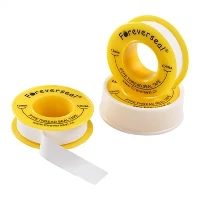
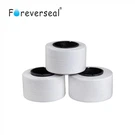
Unsintered PTFE TAPE For Wire is a great option for wire insulation. It can be easily wrapped around wires to provide excellent electrical insulation. The unsintered nature of the tape allows it to conform to the shape of the wire, ensuring a tight and secure fit. This product is widely used in the manufacturing of electrical wires and cables.
PTFE Film For Aerospace Cable is designed for the demanding requirements of the aerospace industry. Aerospace cables need to have high - performance insulation, chemical resistance, and thermal stability. Our PTFE film for aerospace cables meets these requirements, making it suitable for use in aircraft and spacecraft.
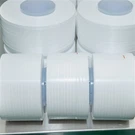
PTFE Film Roll is a versatile product that can be cut and shaped according to different needs. It can be used in a wide range of electronic applications, from small - scale electronic components to large - scale industrial equipment.
Conclusion
In conclusion, PTFE film plays a vital role in the electronics industry. Its functions of insulation, chemical resistance, thermal stability, low friction, and weather resistance make it an indispensable material for the design and manufacturing of electronic devices. As a PTFE film supplier, we are committed to providing high - quality PTFE film products to meet the diverse needs of the electronics industry.
If you are interested in our PTFE film products and would like to discuss your specific requirements or place an order, please feel free to contact us. We look forward to working with you to find the best PTFE film solutions for your electronic applications.
References
- "Handbook of Polytetrafluoroethylene (PTFE)" by John A. Brydson
- "Electrical Insulation Materials and Their Applications" by D. A. Stone