

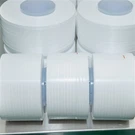
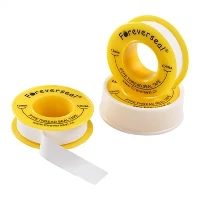
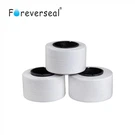


Hey there! If you're in the market for LD EPTFE Film, you're probably wondering about its temperature resistance. Well, you've come to the right place. As a supplier of LD EPTFE Film, I'm here to break it down for you.
LD EPTFE Film, or Low-Density Expanded Polytetrafluoroethylene Film, is one cool material. It's got some amazing properties that make it super useful in a whole bunch of applications. One of the most important aspects that users often focus on is its temperature range.
So, what's the temperature range that LD EPTFE Film can withstand? Generally speaking, LD EPTFE Film can handle temperatures from around -200°C to 260°C. That's an incredibly wide range! This means it can be used in some seriously extreme environments.
Let's start with the low end of the spectrum. At -200°C, most materials would become brittle and crack. But LD EPTFE Film retains its flexibility. This makes it ideal for applications in cryogenic environments. Think of the aerospace industry, where components need to function properly in the frigid temperatures of space. LD EPTFE Film can be used for insulation in spacecraft, protecting sensitive electronics from the cold.
Now, let's move on to the high end. At 260°C, LD EPTFE Film doesn't melt or degrade easily. This high-temperature resistance is a game-changer in many industrial settings. For example, in the manufacturing of electrical components, there are often processes that involve high heat. LD EPTFE Film can be used as Ptfe Insulation Tape For Cable, ensuring that the cables stay insulated even under extreme heat conditions.
The ability to withstand such a wide temperature range is due to the unique molecular structure of LD EPTFE. The carbon-fluorine bonds in the material are extremely strong. These bonds give the film its excellent chemical and thermal stability. Even when exposed to high temperatures, the bonds don't break easily, which means the film maintains its integrity.
Another factor that contributes to its temperature resistance is the expanded structure of LD EPTFE. The expanded form creates a network of pores, which helps to trap air. Air is a good insulator, so this structure further enhances the film's ability to resist temperature changes.
In addition to its use in aerospace and electrical industries, LD EPTFE Film's temperature resistance also makes it suitable for other applications. In the automotive industry, it can be used in engine compartments where temperatures can get quite high. It can also be found in chemical processing plants, where it may be exposed to both high temperatures and corrosive chemicals.
If you're looking for a shielding solution for cables, Ptfe Shielding Tape For Cables made from LD EPTFE Film is a great option. It can protect the cables from electromagnetic interference while also withstanding the temperature variations that occur in different environments.
And for general electrical applications, PTFE Film Electrical Tape is a reliable choice. Its temperature resistance ensures that it can maintain its insulating properties over a long period, even in harsh conditions.
But it's important to note that while LD EPTFE Film has a wide temperature range, its performance may be affected by other factors. For example, if the film is exposed to high temperatures for an extended period, it may experience some minor changes in its physical properties. Also, the presence of certain chemicals or mechanical stress can influence how well it performs within the temperature range.
So, if you're considering using LD EPTFE Film for your project, you need to carefully evaluate the specific temperature conditions and other factors involved. Make sure you understand the limitations and capabilities of the film to ensure it meets your requirements.
If you have any questions about LD EPTFE Film or its temperature resistance, or if you're interested in purchasing our products, don't hesitate to reach out. We're here to help you find the right solution for your needs. Whether you're working on a small DIY project or a large industrial application, our LD EPTFE Film can provide the performance and reliability you're looking for.
In conclusion, LD EPTFE Film's ability to withstand temperatures from -200°C to 260°C makes it a versatile and valuable material. Its unique properties open up a world of possibilities in various industries. So, if you're in the market for a high-performance film with excellent temperature resistance, give LD EPTFE Film a try.


References:
- Textbooks on polymer materials and their properties
- Industry reports on the applications of LD EPTFE Film