

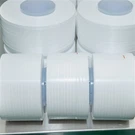



Hey there! I'm a supplier of PTFE Film Roll, and I know how crucial it is to get these rolls transported safely and efficiently. In this blog, I'll share some tips and tricks on how to transport PTFE Film Roll like a pro.
Understanding PTFE Film Roll
First off, let's talk a bit about what PTFE Film Roll is. PTFE, or Polytetrafluoroethylene, is a synthetic fluoropolymer known for its excellent chemical resistance, low friction, and high-temperature stability. Our PTFE Film Roll comes in various types, such as High Density PTFE Cable Film, Colored Unsinerted Ptfe Tape For Cable Jacket, and Water Proof Breathable Vent PTFE Film. Each type has its own unique properties and applications, but they all need proper handling during transportation.
Pre - Transport Preparation
Inspection
Before shipping, it's essential to inspect the PTFE Film Roll thoroughly. Check for any signs of damage, such as scratches, tears, or deformation. If you find any issues, mark them clearly and decide whether the roll is still suitable for transportation. Damaged rolls may not perform as expected at the destination, and could lead to customer dissatisfaction.
Packaging
Good packaging is the key to protecting the PTFE Film Roll during transit. We usually start with a layer of plastic film to protect the roll from dust, moisture, and minor abrasions. Then, we place the wrapped roll in a sturdy cardboard box. The box should be just the right size to prevent the roll from moving around too much. You can also add some cushioning material, like foam peanuts or bubble wrap, to provide extra protection.


If you're transporting multiple rolls, make sure to stack them properly in the box. Place a layer of padding between each roll to prevent them from rubbing against each other. Label the box clearly with details like the product name, quantity, and handling instructions.
Documentation
Accurate documentation is always important. Prepare all the necessary shipping documents, including the bill of lading, packing list, and any customs declarations if you're shipping internationally. Make sure the information on the documents is accurate and matches the actual contents of the package. This will help avoid any delays at customs or other shipping checkpoints.
Choosing the Right Shipping Method
Local Delivery
If you're delivering the PTFE Film Roll locally, you have a few options. You can use your own delivery van if you have one. This gives you more control over the transportation process and allows you to ensure that the rolls are handled carefully. You can also hire a local courier service. Just make sure to choose a reliable one that has experience in handling delicate products.
Domestic Shipping
For domestic shipping, you can choose between different carriers, such as FedEx, UPS, or the postal service. Each carrier has its own set of rules and rates. Consider factors like the size and weight of the package, the delivery time, and the cost. Some carriers offer insurance options, which can be a good idea if you're shipping a high - value order.
International Shipping
Shipping PTFE Film Roll internationally is a bit more complicated. You need to be aware of different customs regulations, import duties, and shipping restrictions. It's often a good idea to work with a freight forwarder. They have the expertise to handle all the paperwork and logistics involved in international shipping. They can also help you choose the best shipping route and carrier for your needs.
Handling During Transportation
Loading
When loading the PTFE Film Roll onto the transport vehicle, be gentle. Avoid dropping or throwing the packages. Use a forklift or other appropriate equipment to lift heavy boxes. Make sure the rolls are loaded in a way that they won't shift during transit. Secure the packages with straps or ropes to prevent them from moving around.
Transit Conditions
The PTFE Film Roll is sensitive to extreme temperatures and humidity. Try to choose a shipping method that can control these conditions. If you're shipping during hot summer months, use a temperature - controlled vehicle or container. Similarly, in cold weather, protect the rolls from freezing temperatures. Also, make sure the shipping environment is dry to prevent moisture damage.
Unloading
At the destination, unloading should be done as carefully as loading. Use the same gentle handling techniques to remove the packages from the vehicle. Check the packages for any signs of damage during transit. If there are any issues, document them immediately and contact the shipping carrier and the customer as soon as possible.
Tracking and Communication
Tracking
Most shipping carriers offer tracking services. Use this feature to keep an eye on the progress of your shipment. You can provide the tracking number to your customer so they can also monitor the delivery. This transparency builds trust and helps manage customer expectations.
Communication
Keep in touch with your customer throughout the shipping process. Let them know when the package has been shipped, and provide estimated delivery times. If there are any delays or issues, communicate with them promptly. Good communication can prevent misunderstandings and keep your customers happy.
Getting in Touch for Procurement
If you're interested in purchasing our high - quality PTFE Film Roll, whether it's the High Density PTFE Cable Film, Colored Unsinerted Ptfe Tape For Cable Jacket, or Water Proof Breathable Vent PTFE Film, don't hesitate to reach out. We're here to answer any questions you may have, discuss your specific requirements, and provide you with the best possible service and products.
References
- "Packaging and Shipping Guidelines for Industrial Products", industrial experts' blogs and forums
- Experience and best practices from our years of supplying PTFE Film Roll