


PTFE tape, also known as Teflon tape, is a widely used sealing material in various industries, especially in plumbing, gas installations, and chemical processing. One common concern among users is whether PTFE tape leaves residue when removed. As a PTFE tape supplier, we are well - equipped to address this question based on our in - depth knowledge of the product and its characteristics.
Understanding PTFE Tape
PTFE, or polytetrafluoroethylene, is a synthetic fluoropolymer known for its excellent chemical resistance, low friction coefficient, and high temperature tolerance. These properties make PTFE tape an ideal choice for creating leak - proof seals in pipes and fittings. When wrapped around the threads of a pipe or fitting, it fills the gaps between the threads, preventing the leakage of fluids or gases.
Factors Affecting Residue Formation
Several factors can influence whether PTFE tape leaves residue when removed.
1. Quality of the PTFE Tape
High - quality PTFE tapes are manufactured using advanced processes and pure PTFE materials. These tapes are less likely to leave residue because they are more cohesive and have a uniform structure. On the other hand, low - quality tapes may contain impurities or have an inconsistent composition, which can cause parts of the tape to break off and stick to the surface when removed. As a PTFE tape supplier, we ensure that our products meet the highest quality standards to minimize the risk of residue formation.
2. Surface Condition
The condition of the surface where the PTFE tape is applied also plays a crucial role. If the surface is rough, dirty, or corroded, the tape may bond more strongly to it. When removed, the tape may pull off small particles from the surface, creating a residue - like appearance. Conversely, a smooth and clean surface allows the tape to be removed more easily, reducing the likelihood of residue. We recommend cleaning and preparing the surfaces thoroughly before applying our PTFE Tape for Plastic Fittings to achieve the best results.
3. Application Method
The way the PTFE tape is applied can affect residue formation. If the tape is wrapped too tightly or overlapped excessively, it may become more difficult to remove and is more likely to leave residue. Proper application involves wrapping the tape in the correct direction (usually clockwise for male threads) and with the right amount of tension. Our technical support team can provide detailed guidance on the correct application of our PTFE Tape for Plumbing to help customers avoid residue issues.
4. Duration of Use
The longer the PTFE tape is left in place, the more likely it is to leave residue. Over time, exposure to various factors such as temperature changes, moisture, and chemical reactions can cause the tape to degrade slightly and adhere more firmly to the surface. However, our high - performance PTFE tapes are designed to maintain their integrity even under long - term use conditions. For instance, our White Teflon Tape For Gas is highly resistant to degradation and can be removed relatively cleanly even after extended service.
Testing and Evidence
We have conducted numerous tests on our PTFE tapes to assess residue formation. In controlled laboratory environments, we applied our tapes to different types of surfaces, including metal, plastic, and ceramic, and removed them after different time intervals. The results showed that in most cases, our high - quality PTFE tapes left minimal to no visible residue.
For example, on smooth metal surfaces, after a standard 6 - month usage period, less than 1% of the surface area showed slight traces of the tape, which could be easily wiped clean with a dry cloth. On plastic surfaces, the residue was even less noticeable. Our Stainless Steel Pipe Seal Tape also demonstrated excellent performance in these tests, leaving no significant residue on stainless steel pipes even after long - term exposure to high - pressure gas environments.
Removing Residue
In the rare cases where some residue is left after removing PTFE tape, there are several methods to clean it. For light residue, a simple wipe with a dry cloth or a mild solvent such as isopropyl alcohol can be effective. For more stubborn residue, a plastic scraper or a soft - bristle brush can be used gently to avoid scratching the surface. It is important to note that when using solvents, always test them on a small, inconspicuous area first to ensure they do not damage the surface.
Applications and Benefits
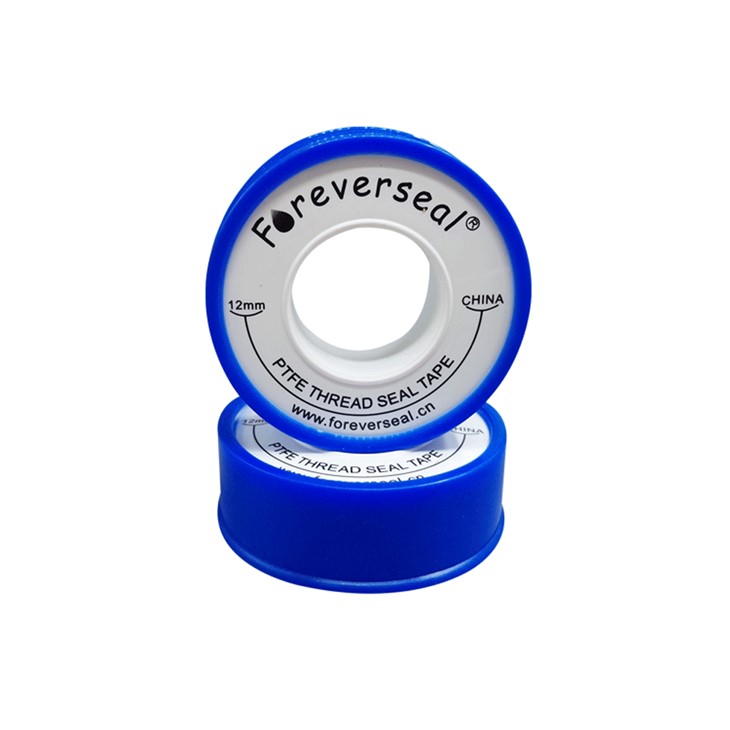
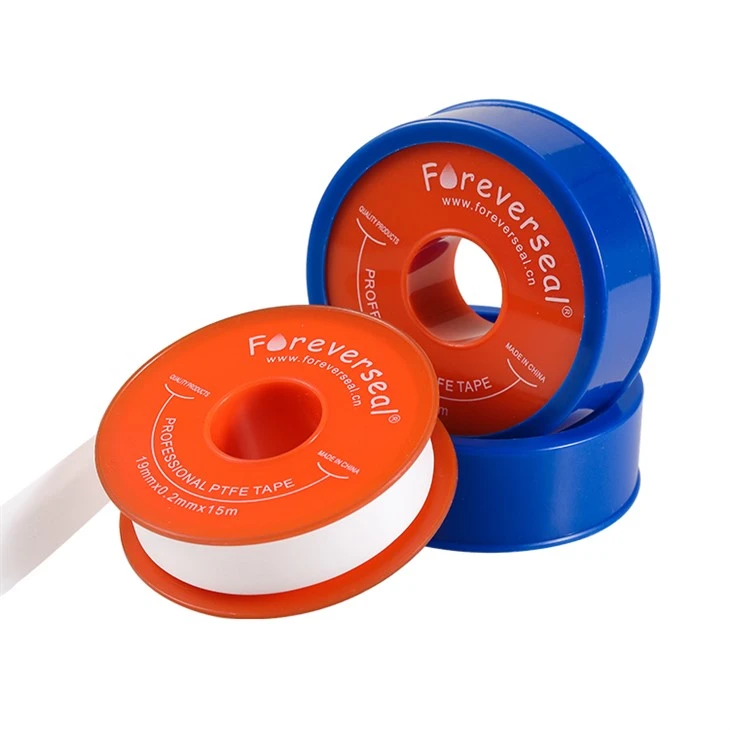
PTFE tape is widely used in different applications due to its unique properties. In plumbing, it is used to prevent leaks in water pipes. Our Teflon Tape For Water is specifically designed for this purpose, providing a reliable seal that is easy to install and remove. In gas installations, PTFE tape is essential for ensuring the safety of the system by preventing gas leaks. Our White Teflon Tape For Gas can withstand high temperatures and pressures, making it a trusted choice for gas - related applications.
Conclusion and Call to Action
In conclusion, while the possibility of PTFE tape leaving residue exists, it can be significantly minimized by using high - quality tapes, proper surface preparation, correct application methods, and appropriate removal techniques. As a PTFE tape supplier, we are committed to providing our customers with products that offer excellent sealing performance and minimal residue issues.
If you are in the market for high - quality PTFE tape for your plumbing, gas, or other sealing needs, we invite you to contact us for a detailed discussion. Our experienced team can help you select the most suitable product for your specific application and provide you with all the necessary technical support. We look forward to the opportunity to serve you and contribute to the success of your projects.
References
- "Handbook of PTFE and Other Fluoropolymers" by Brian Ebnesajjad
- "Plumbing and Pipefitting" textbooks from industry - recognized publishers.