


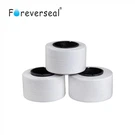
When it comes to the world of industrial materials, PTFE (Polytetrafluoroethylene) film rolls stand out for their remarkable properties and wide - ranging applications. As a seasoned PTFE Film Roll supplier, I often encounter inquiries about the length of a standard PTFE film roll. In this blog post, I'll delve into this topic, exploring the factors that influence the length, common lengths in the market, and how these lengths can impact your projects.
Understanding PTFE Film
Before we discuss the length, it's essential to understand what PTFE film is. PTFE is a synthetic fluoropolymer of tetrafluoroethylene known for its high resistance to heat, chemicals, and friction. This makes PTFE films ideal for various industries such as electronics, aerospace, and medical, where durability and reliability are crucial. For more information on PTFE films with high thermal and chemical resistance, check out High Thermal And Chemical Resistance Ptfe Films.
Factors Influencing the Length of a PTFE Film Roll
The length of a standard PTFE film roll can vary significantly, and several factors contribute to this variability.
1. Thickness of the Film
Thicker PTFE films generally result in shorter roll lengths. This is because the thicker the film, the more space it takes up on the roll. For instance, a very thin PTFE film, say 0.01mm, can be rolled into a much longer length compared to a 0.5mm thick film on the same - sized core and spool. Manufacturers need to balance the thickness requirements of the application with the practicality of roll handling and storage.
2. Width of the Film
Similar to thickness, the width of the film also affects the roll length. A wider film will have a shorter length for a given roll core and diameter. This is because the wider the film, the more material is used per unit of length. For narrow - width applications, longer rolls can be produced, which is beneficial for continuous processes that require a large amount of material over time.
3. Roll Core and Outer Diameter
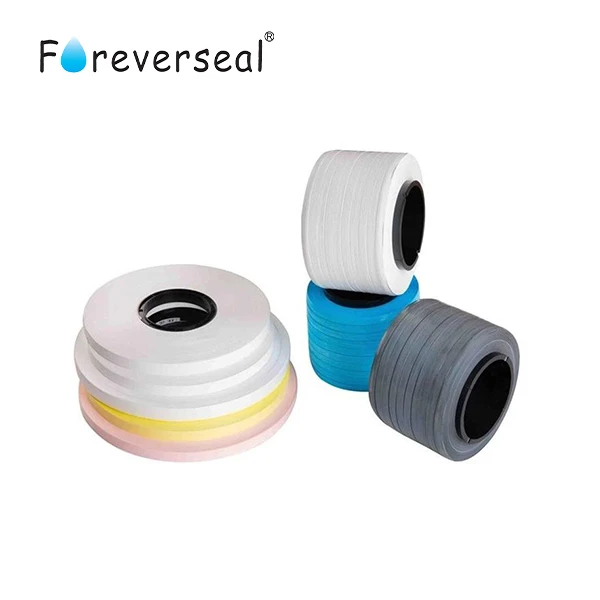
The size of the roll core (the inner tube around which the film is wound) and the maximum outer diameter of the completed roll play a significant role. A larger - diameter core will reduce the amount of film that can be wound on it, resulting in a shorter roll length. On the other hand, if the maximum outer diameter of the roll is limited by factors such as storage space or handling equipment, it will also affect the length of the film that can be wound.

4. Application Requirements
The specific application for which the PTFE film is intended can also determine the roll length. For example, in some applications like Cable Wrapped Ptfe Film, where long, continuous lengths are needed for cable insulation, manufacturers may produce rolls with longer lengths. In contrast, for applications where only small amounts of film are required, such as in some laboratory settings, shorter roll lengths may be more appropriate.
Common Lengths in the Market
In the market, there is no one - size - fits - all standard length for PTFE film rolls. However, some common lengths are frequently available:
Short Lengths
Short lengths, typically ranging from 10 to 50 meters, are often used in small - scale projects, prototyping, or for testing purposes. These shorter rolls are convenient for customers who only need a small amount of PTFE film to evaluate its suitability for their application. They are also easier to handle and store, especially in limited - space environments.
Medium Lengths
Medium - length rolls, usually between 50 and 200 meters, are a popular choice for many industrial applications. These lengths strike a balance between providing enough material for continuous production processes and being manageable in terms of handling and storage. They are commonly used in applications such as PTFE Wraping Tape and PTFE Wraping Film, where a moderate amount of film is required for wrapping or insulating components.
Long Lengths
For large - scale industrial production, long - length rolls of 200 meters or more are often preferred. These rolls can significantly reduce the frequency of roll changes, increasing production efficiency. Industries such as the automotive and aerospace sectors, which require a large quantity of PTFE film for mass production, often opt for long - length rolls.
Impact of Roll Length on Projects
The length of the PTFE film roll you choose can have several implications for your projects:
Production Efficiency
Longer rolls can enhance production efficiency as they reduce the time spent on roll changes. In a continuous manufacturing process, the fewer times operators need to stop the line to change the film roll, the more products can be produced in a given time frame. However, it's important to ensure that the equipment can handle the longer roll without any issues.
Storage Space
Short - length rolls require less storage space, which can be a significant advantage for companies with limited storage facilities. On the other hand, long - length rolls may need larger storage areas, and proper storage conditions must be maintained to prevent damage to the film.
Cost
The cost per unit length of PTFE film can sometimes be lower for longer rolls. Manufacturers may offer volume discounts, making long - length rolls a more cost - effective option for large - scale projects. However, it's important to consider the additional costs associated with handling and storage when evaluating the overall cost.
Custom Lengths
As a PTFE Film Roll supplier, I understand that different customers have different needs. That's why we offer custom - length options. Whether you need a very short length for a specialized project or an extra - long roll for high - volume production, we can work with you to produce PTFE film rolls of the exact length you require. Our state - of - the - art manufacturing facilities and experienced team ensure that we can meet the most demanding specifications.
Conclusion
In conclusion, the length of a standard PTFE film roll is influenced by multiple factors, including thickness, width, roll core, outer diameter, and application requirements. Common lengths in the market range from short to long, each with its own advantages and suitability for different projects. Whether you're involved in small - scale prototyping or large - scale industrial production, choosing the right roll length is crucial for the success of your project.
If you're in the market for high - quality PTFE film rolls and want to discuss your specific length requirements, I encourage you to reach out. Our team of experts is ready to assist you in finding the perfect solution for your needs. We can provide detailed product information, samples, and competitive pricing. Don't hesitate to contact us to start the procurement process and take your project to the next level.
References
- "Handbook of Fluoropolymer Science and Technology" by Harry Allcock, Frederick Lampe, and James Mark.
- Industry reports on PTFE film production and applications.